
Last updated September 24, 2026
Free in-home measure and quote - PGT, CGI and CWS impact lines compared on your actual openings, style by style
 Before
 After
After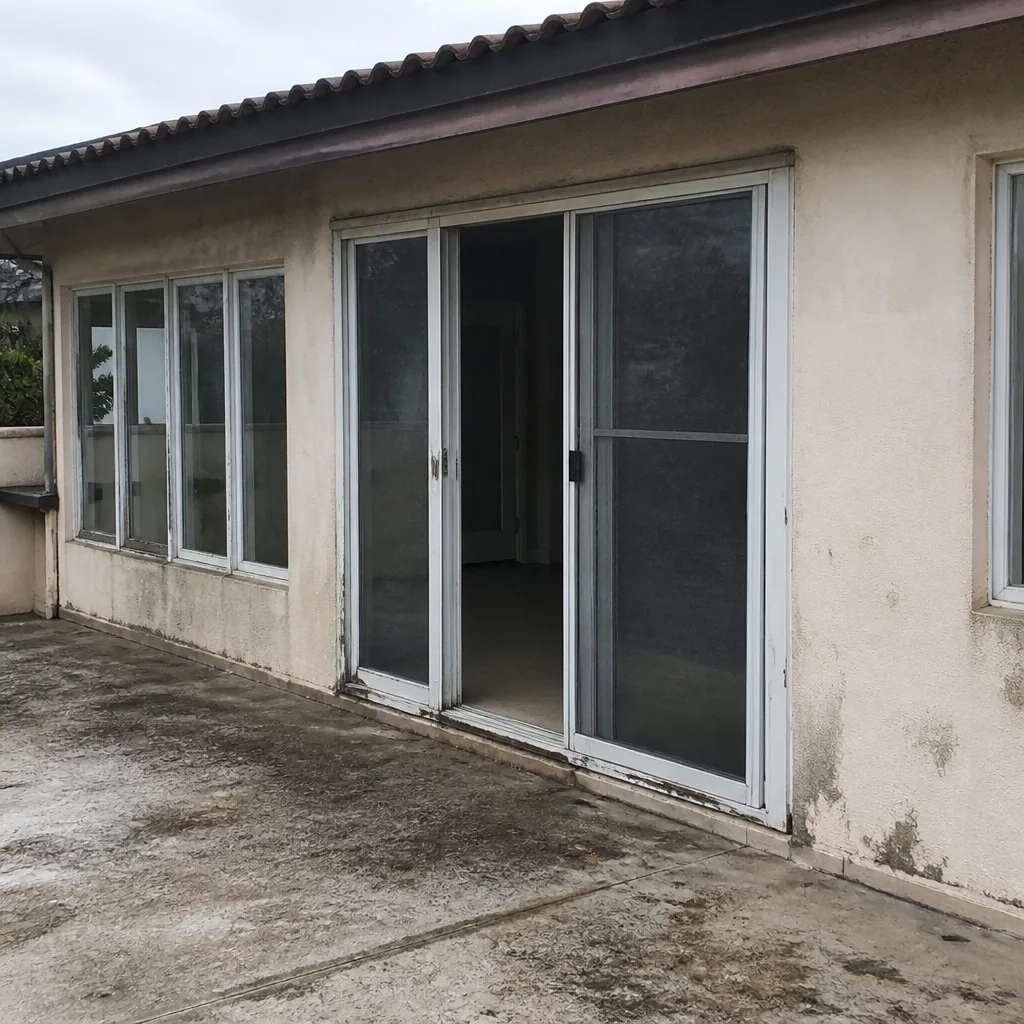 Before
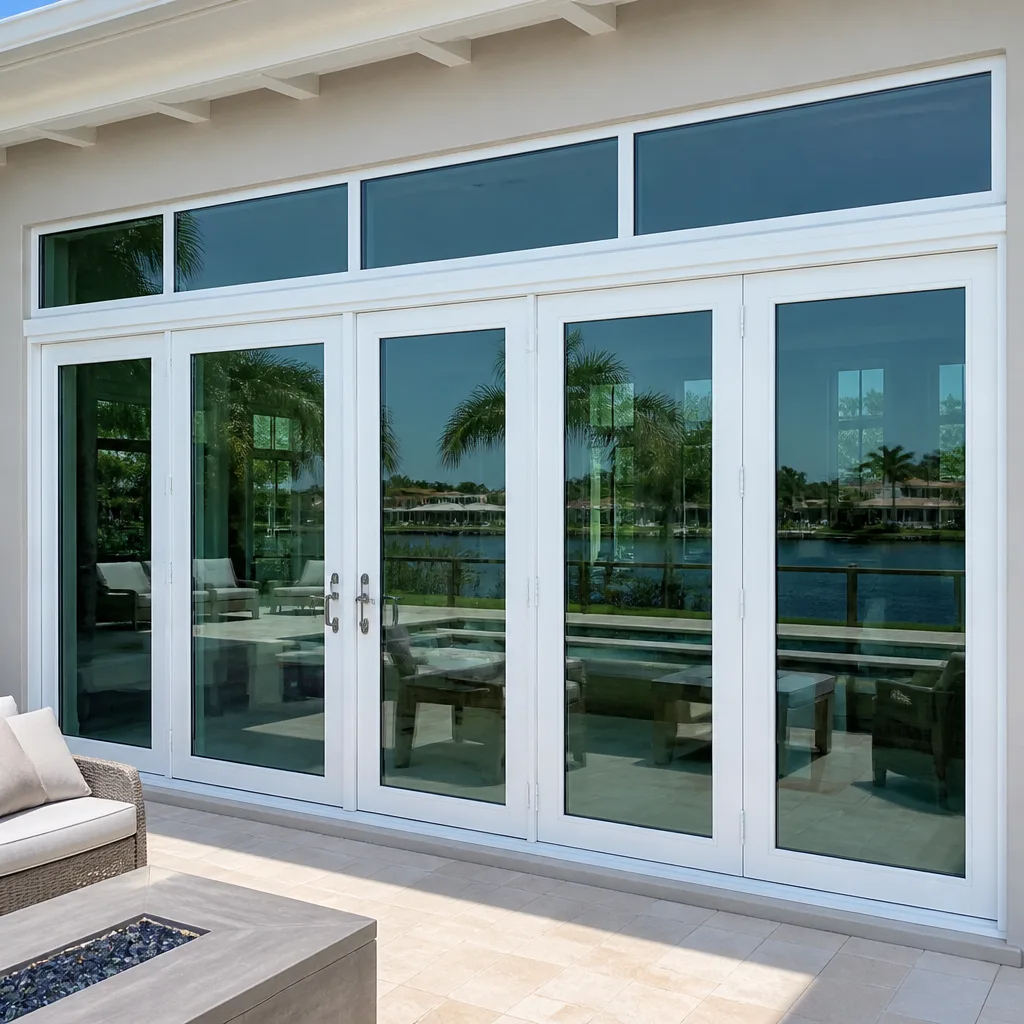 After
After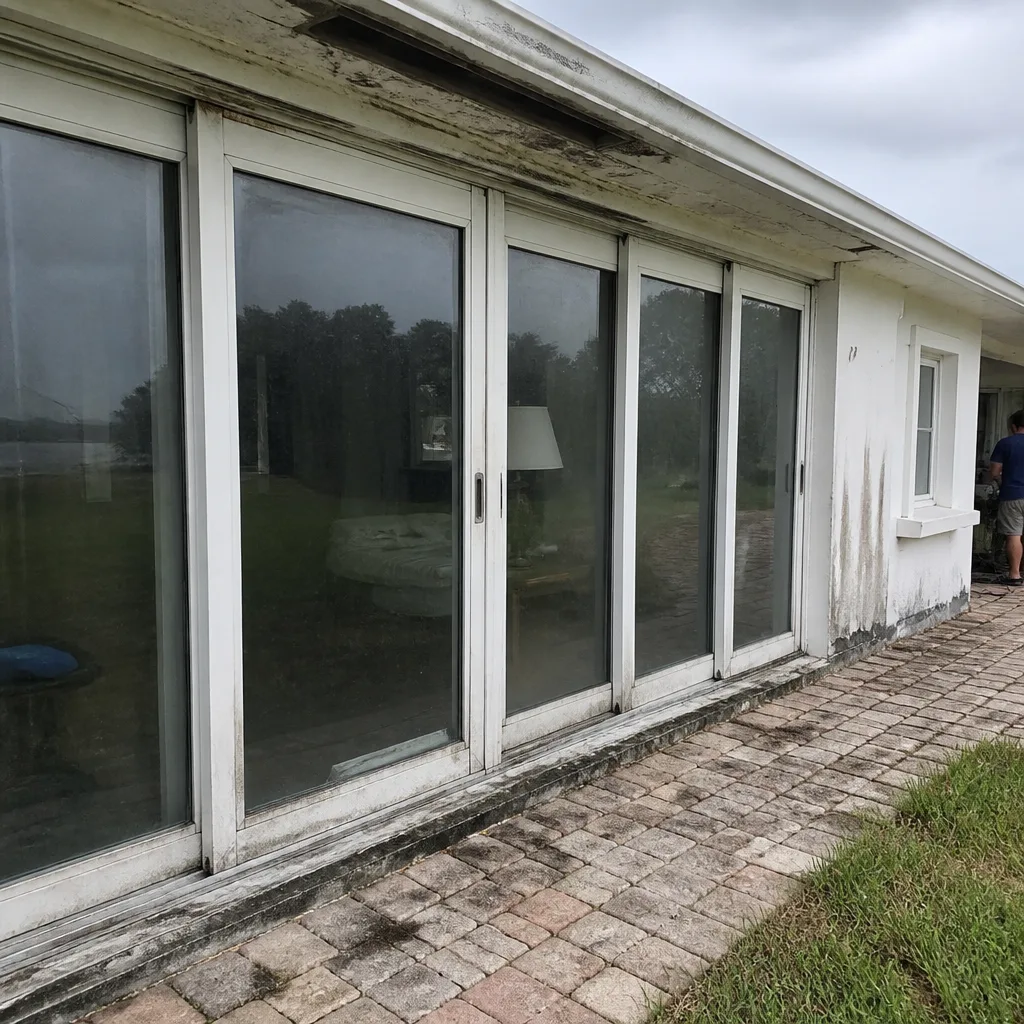 Before
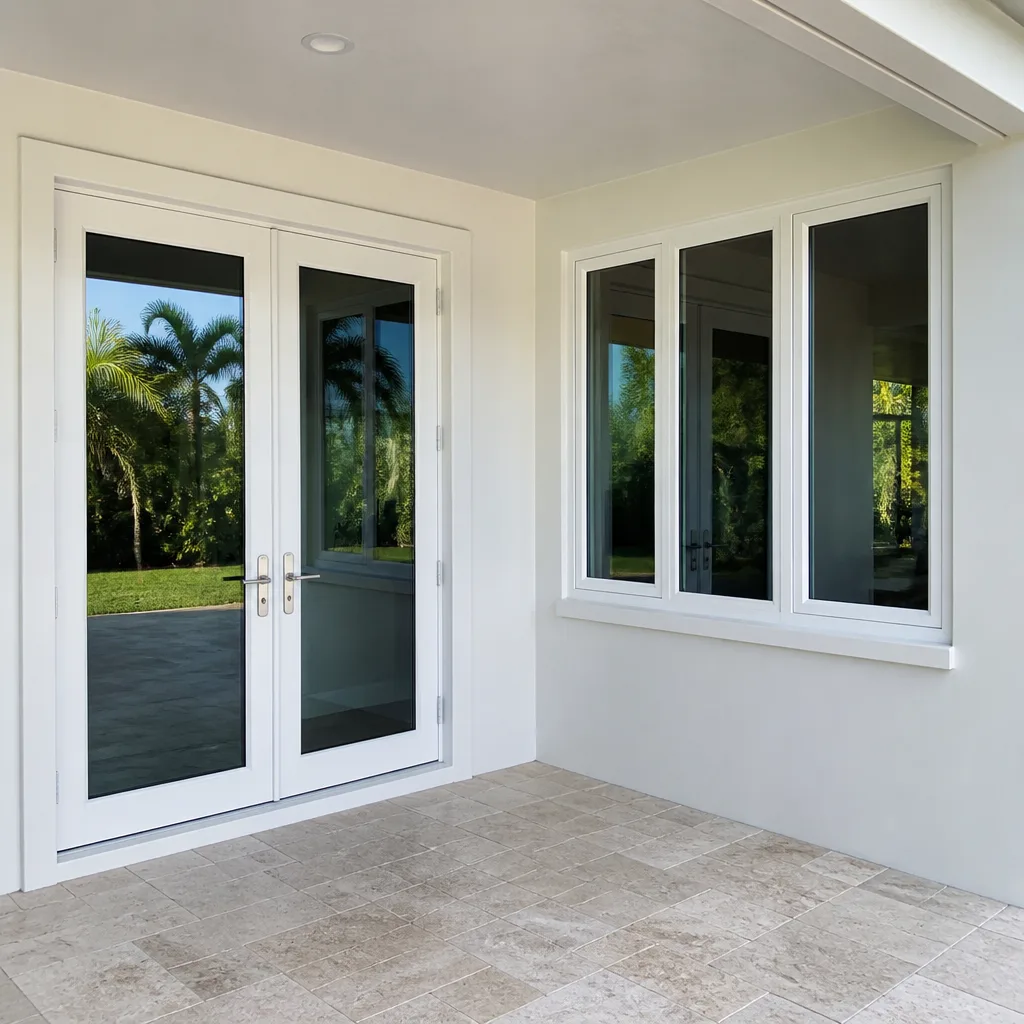 After
AfterWindows & Doors Permits, Codes & Inspections in FL: What You Need to Know
Pulling a permit is not the same as passing an inspection. In Palm Beach County, the rough-opening inspection and the final inspection check different things at different stages - and a contractor who schedules the final without scheduling the rough has likely skipped the one inspection that catches improper buck framing and flashing, the two failures that cause water intrusion after storms. We’ve documented this on jobs we’ve been called to fix across North Palm Beach, from the older CBS homes near the Intracoastal to the newer construction in Seminole Landing. This guide - along with our Complete Guide to Windows & Doors in North Palm Beach - explains what the permit actually checks so you can evaluate whether your contractor’s work will pass, not just whether a permit was pulled.
Quick Answer
In Florida, window and door replacements require a building permit in every jurisdiction, and in High-Velocity Hurricane Zones like Palm Beach County, the product must carry a current Florida Product Approval or Miami-Dade NOA matching the installed application. The permit triggers two inspections - rough-opening and final - that verify buck attachment, flashing integration, and anchorage spacing against the Florida Building Code. Work done without a permit voids the contractor’s ability to warranty the installation and can trigger policy exclusions on homeowner insurance claims after storm damage - one of the Windows & Doors Warning Signs every North Palm Beach homeowner should know.
Table of Contents
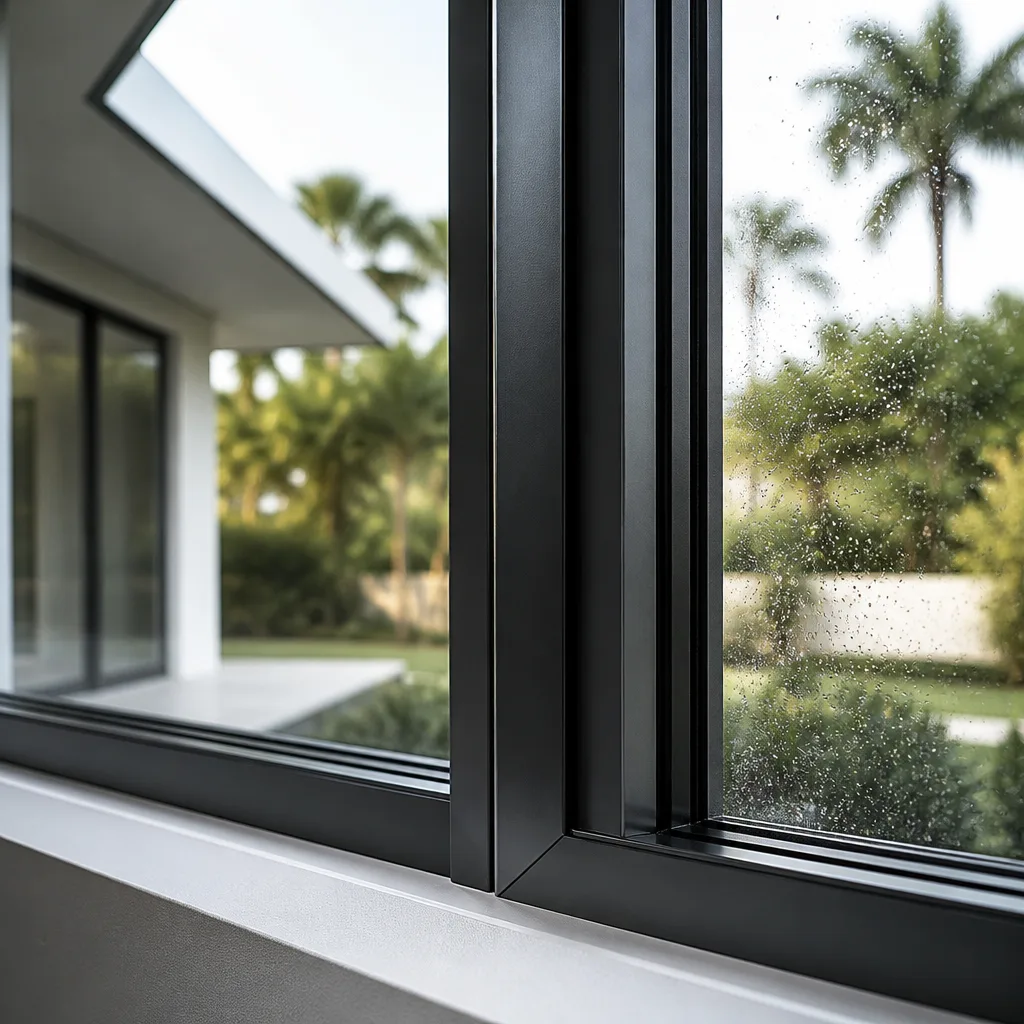
- Building Permit vs. Product Approval: Two Different Documents
- What the Rough-Opening Inspection Actually Examines
- The Final Inspection: What Passes and What Fails
- HVHZ Requirements for North Palm Beach and Palm Beach County
- How to Look Up Your County’s Current Adopted Code Edition
- Insurance Consequences of Unpermitted Work
- How to Request Your Permit File and Why It Matters at Resale
- How to Choose a Contractor Who Will Pass Inspection
 Before
 After
AfterBuilding Permit vs. Product Approval: Two Different Documents
Homeowners often conflate these two documents. The building permit is jurisdiction-specific - issued by Palm Beach County or your municipal building department for the work at your specific address. The Florida Product Approval (or Miami-Dade Notice of Acceptance) is product-specific - issued by the Florida Department of Business and Professional Regulation or Miami-Dade County for the window or door system itself, tested to specific design pressures and installation methods.
Both must be present before installation starts in a High-Velocity Hurricane Zone. Here’s the distinction that matters:
- Building permit: Authorizes the work at your address, triggers inspections, creates the record for your property file. Issued by Palm Beach County Building Division or your city.
- Florida Product Approval: Certifies that the product, installed exactly per the approved method, can withstand the wind loads and missile impacts for your zone. The approval number (FLxxxxx or Miami-Dade NOA number) must match the specific product size, configuration, and installation detail used.
We’ve reviewed competitor quotes in North Palm Beach where the product approval referenced a fixed window but the proposal specified an operable unit in the same frame size. That’s a mismatch. The inspector will flag it. The homeowner pays for re-inspection or replacement.
The Florida Building Code, 8th Edition (2023), Section 1709.5 requires that impact-resistant products in wind-borne debris regions be installed per the product approval. Section 1609.1.2 defines where those products are required. In North Palm Beach, located in Palm Beach County’s HVHZ, every exterior window and door must be impact-rated or protected with an approved shutter system.
When we specify products from our window installation work in North Palm Beach, we pull the current Florida Product Approval for the exact SKU and include it in the permit application. The customer keeps a copy in their project file. This is standard under the Haven Standard, not an extra service.
What the Rough-Opening Inspection Actually Examines

The rough-opening inspection is the one that catches the failures that matter. Yet it’s the inspection most often skipped, rushed, or improperly scheduled. In Palm Beach County, this inspection must occur after the old unit is removed and the new buck frame is installed, but before the window or door is set into the opening.
The inspector examines three elements against the Florida Building Code and the product approval:
- Buck attachment method: The buck frame must be attached to the structural opening with fasteners of the correct type, size, and spacing specified in the product approval. For CBS (concrete block stucco) construction common in North Palm Beach homes built before 2000, this typically means Tapcon-style masonry anchors or powder-actuated fasteners into the block web, not just the mortar joint, at the spacing shown in the detail drawing. Wood frame construction requires lag screws or structural screws into the king stud, not roofing nails or general-purpose fasteners.
- Flashing integration with the building envelope: The sill pan flashing must be continuous, sloped to the exterior, and integrated with the weather-resistant barrier. The head flashing must extend to the sides of the opening and lap over the WRB. In our experience across North Palm Beach, from the Ranch Colony area to the waterfront homes on Prosperity Farms Road, the most common rough-opening failure is an incomplete sill pan or a head flashing that terminates at the window frame instead of extending to the sheathing edge.
- Anchorage spacing: Fastener spacing must match the product approval exactly. Many approvals specify reduced spacing at the jambs versus the head and sill, or additional fasteners within 6 inches of each corner. The inspector measures these with a tape. We’ve seen installations where the contractor used the correct fastener but at 24-inch spacing throughout, missing the 12-inch jamb requirement - a failure that requires removing the buck and re-drilling.
The relevant code sections: Florida Building Code, 8th Edition, Residential Section R703.8 for exterior wall covering and flashing, and the specific product approval’s installation instructions, which carry code force under Section 1709.5.
A failed rough-opening inspection means the window cannot be installed until the deficiency is corrected and re-inspected. In Palm Beach County, re-inspection fees apply after the first failure. More critically, the opening is exposed to weather until the correction is made - a real concern during Florida’s summer storm pattern.
Our crews in North Palm Beach photograph the rough opening before the inspector arrives: buck attachment, fastener spacing, sill pan, head flashing, and WRB integration. The customer receives these photos as part of the documented evidence on every job. Haven Clause 4.
The Final Inspection: What Passes and What Fails
The final inspection occurs after the window or door is installed, sealed, and operational. It verifies that the installed product matches what was permitted and approved at rough-opening.
The inspector checks:
- Product identification: The label on the window or door frame must match the Florida Product Approval or NOA number on the permit. This includes the manufacturer, series, and often the specific glass make-up. For impact-rated units, the permanent label must be visible and legible - not painted over or removed.
- Installation method consistency: The final installation must match the product approval and the rough-opening inspection. If the rough showed a certain buck attachment, the final must show the window installed in that buck, not a different method.
- Operability and egress: Operable windows must open, close, and lock. Egress windows must meet the minimum opening area and sill height requirements of Section R310. This matters for bedroom replacements in North Palm Beach, where older homes often have smaller windows that do not meet current egress standards.
- Sealant and finish: Exterior sealant must be continuous and compatible with the frame material. Interior finish must not impede operation. These seem minor but generate failures when caulk is skipped or interior trim is installed before the inspection, blocking the frame from view.
A common failure pattern we observe: the contractor passes rough-opening, then changes the installation method during finish work - perhaps switching from the approved mechanical fastener to an adhesive-only approach to save time. The final inspector compares the installed condition to the product approval, not just the rough-opening photos, and flags the discrepancy.
We schedule both inspections with the customer present when possible, so they can hear the inspector’s comments directly. The final inspection in Palm Beach County also triggers the certificate of completion, which is required for the permit to be closed. An open permit at resale will flag the title search and may require the seller to obtain a permit release before closing.
HVHZ Requirements for North Palm Beach and Palm Beach County
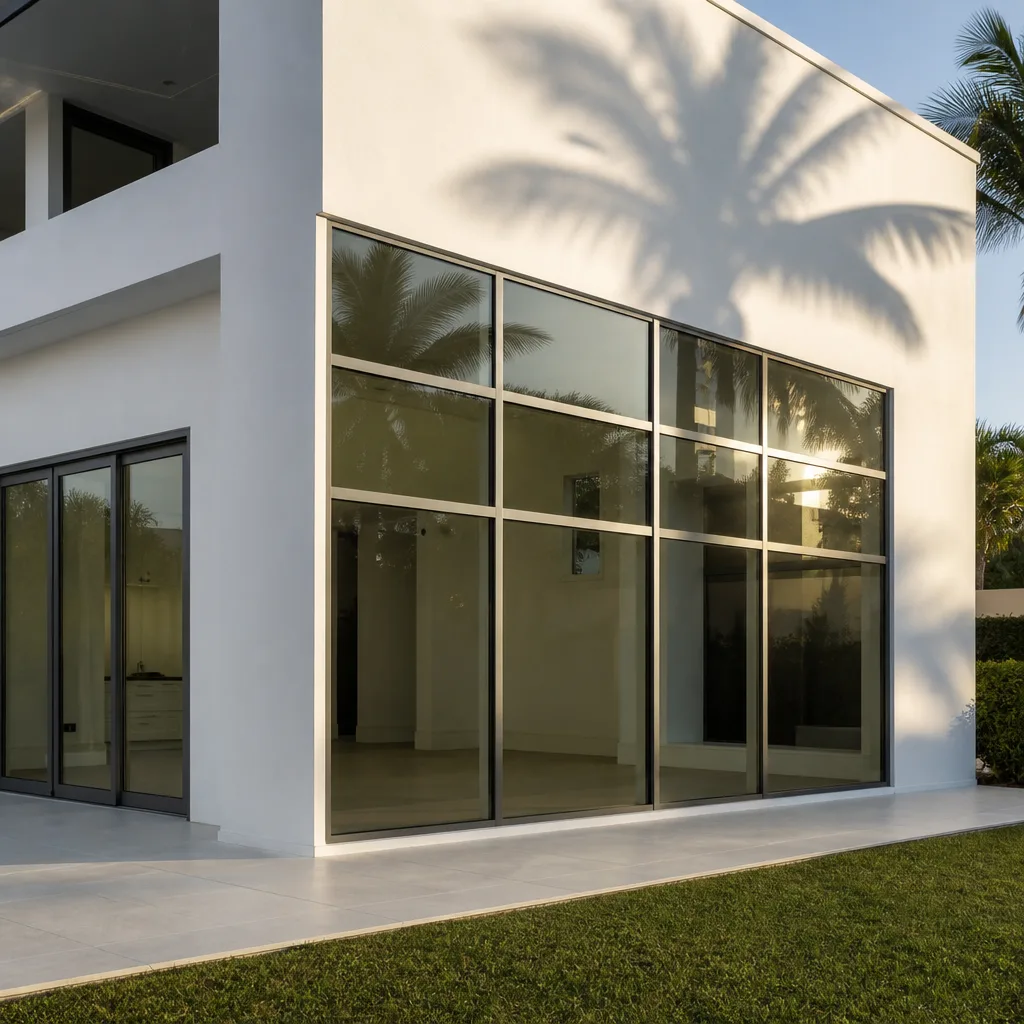
North Palm Beach sits entirely within the High-Velocity Hurricane Zone as defined by the Florida Building Code. This designation, which applies to all of Palm Beach County’s coastal areas, imposes requirements beyond those for inland Florida counties.
The HVHZ designation means:
- All exterior windows and doors must be impact-resistant or protected by approved impact coverings (shutters, screens) that meet ASTM E1886 and ASTM E1996 for large missile impact.
- Design pressure ratings must match or exceed the values calculated for the specific building exposure, height, and location. For a typical single-story home in North Palm Beach, this often means +/- 50 to 60 psf; for two-story waterfront homes on the Intracoastal or near the Lake Worth Lagoon, pressures can reach +/- 70 psf or higher.
- The product approval must explicitly list HVHZ approval. Not all Florida Product Approvals include HVHZ; some are limited to inland wind-borne debris regions. The approval document states this clearly in its scope section.
We’ve specified CWS and ES Windows products for North Palm Beach homes where the design pressure requirements exceeded the standard catalog offering, requiring custom engineering and an updated product approval. This adds 2-4 weeks to the lead time but ensures the installation will pass inspection and perform as required. We note this in the written scope so the customer understands the timeline before work starts.
The HVHZ also affects the installation details. Fastener embedment depths into concrete block must account for the higher uplift forces. Sill pan flashing must be more robust - we use pan systems with integrated end dams and back dams that exceed the minimum code requirement, because the code is the floor, not the ceiling, and water intrusion in a HVHZ storm carries higher consequences.
For door installation in North Palm Beach, the HVHZ requirements extend to sliding glass doors, entry doors, and garage doors. Each category has distinct product approval requirements and installation details. A Therma-Tru entry door with impact glass installed in a non-impact frame fails inspection. A PGT sliding door with the correct DP rating but installed without the specified sill anchor bolts fails inspection. The details matter because the storm does not forgive generalizations.
How to Look Up Your County’s Current Adopted Code Edition
Florida adopts a new building code edition every three years, with interim amendments. The current edition as of this writing is the 8th Edition (2023), based on the 2021 International Building Code and International Residential Code with Florida-specific amendments. However, counties may lag in adoption, and amendments can change requirements mid-cycle.
To verify what code your permit will be inspected against:
- Visit the Florida Building Commission website at floridabuilding.org and locate the “Current Code” page. This lists the base edition and effective dates.
- Check Palm Beach County’s building division website for local amendments. The county maintains a supplement that modifies or adds to the state code for local conditions. As of early 2024, Palm Beach County had adopted the 8th Edition with specific amendments to HVHZ fastening schedules and floodplain construction requirements relevant to North Palm Beach’s FEMA flood zones.
- Cross-reference your product’s Florida Product Approval against the code edition. Product approvals are issued against specific code editions and may require renewal or update when the code changes. An approval issued under the 7th Edition (2020) may still be valid under the 8th Edition if the product meets the new criteria, but the approval document must explicitly state this or be re-evaluated.
- Request the specific code section from your contractor. For window and door installation, the relevant sections are Chapter 14 (Exterior Walls), Chapter 16 (Structural Design), Chapter 17 (Special Inspections and Tests), and Chapter 24 (Glass and Glazing). The product approval itself references the specific sections it satisfies.
We include the current code edition and applicable sections in every written scope for North Palm Beach jobs. The customer can verify this independently. If the code changes between quote and installation, we amend the scope in writing before work starts - Haven Clause 1, no surprises.
The Florida Product Approval lookup is public at floridabuilding.org/pr/pr_app_search.aspx. You can search by manufacturer, product category, or approval number. For products we specify from ECO Window Systems or Mr-Glass, we provide the approval number in the quote so the customer can verify current status before signing.
Insurance Consequences of Unpermitted Work
This is the section competitors avoid because it makes customers uncomfortable. We’re precise about it because the consequences are real and documented.
Homeowner insurance policies in Florida contain standard provisions that affect claims after window or door failure in a storm. The specific language varies by carrier, but the pattern is consistent:
- Concealment or fraud provisions: Most policies state that the insurer may deny a claim if the loss results from work done in violation of building codes or without required permits, and the insured knew or should have known of the violation. The “should have known” standard applies to permit requirements that are publicly available - which all building permits are.
- Ordinance or law exclusions: Some policies exclude coverage for the cost to bring undamaged portions of the building up to current code after a loss. If unpermitted work is discovered after a storm, the insurer may argue that the entire installation, not just the damaged unit, was non-compliant and thus not covered.
- Windstorm mitigation credits: Florida insurers offer premium discounts for documented wind mitigation features, including impact-rated windows and doors with proper permits and inspections. Unpermitted work cannot be credited. We’ve had North Palm Beach customers call us to permit retroactively after their insurer declined to renew their policy; this is possible but costs significantly more than permitting before installation, and some jurisdictions impose penalties for unpermitted work discovered through complaint or inspection.
The documented photo record we provide serves as evidence of compliant installation for insurance purposes. The permit file, maintained by the county, is also discoverable by insurers. We advise customers to keep both in their property records.
A specific case: In 2022, a North Palm Beach homeowner in Lost Tree Village had a sliding glass door fail during Hurricane Ian’s outer bands. The replacement had been done without permit by a previous owner. The insurer denied the water damage claim citing the unpermitted work and the lack of product approval documentation. The homeowner’s recourse was against the prior owner for failure to disclose, not against the insurer. Permits matter for reasons that extend years past the installation date.
How to Request Your Permit File and Why It Matters at Resale
Permit records are public documents in Florida. You have the right to request and receive copies of your own property’s permit history, and you should exercise this right before hiring a contractor, after work is complete, and before listing your home for sale.
To request your permit file from Palm Beach County:
- Visit the Palm Beach County Building Division’s online permit search at pbcgov.com/pzb/building. Search by property address or parcel ID.
- For closed permits, the system displays the permit number, type, issue date, final inspection date, and certificate of completion number. Click through to view inspection results - pass, fail, or correction required.
- For detailed records including plans, product approval documents, and inspector notes, submit a public records request to the building division. There may be a copying fee, typically $0.15 per page plus staff time for large files.
- For permits issued by a municipality rather than the county (North Palm Beach has its own building department for some permit types), contact the city directly. The city maintains separate records that may not appear in the county database.
What to look for in your file:
- Permit number and scope - does the description match the work done?
- Product approval or NOA number - does it match the installed product labels?
- Inspection dates and results - were both rough-opening and final inspections passed on first attempt or after correction?
- Certificate of completion or final approval - is the permit closed?
At resale, title companies and buyers’ inspectors check permit status. An open permit, failed inspection without correction, or permit for work not matching the visible installation will trigger further inquiry. In some cases, the seller must obtain a certificate of completion or retroactive permit before closing. This can delay sale by weeks and cost thousands in re-inspection, correction, or legal fees.
We provide every North Palm Beach customer with a project closeout package: permit number, inspection dates and results, product approval copies, and the photo record. This is the documentation that protects your investment and smooths your eventual sale. Haven Clause 4, Evidence on every job.
How to Choose a Contractor Who Will Pass Inspection
The permit and inspection process reveals contractor competence before the customer is committed. Here’s what to verify:
Written scope that names the code and the product approval. The quote should reference the Florida Building Code edition, the specific product approval number, and the installation detail to be used. Vague language like “installed per manufacturer specifications” is insufficient - the specifications are part of the approval, and the approval number is what the inspector checks.
Permit included in the proposal, not added later. The permit fee should be line-itemed in the written price. If the contractor suggests you “save money” by skipping the permit or pulling an owner-builder permit while they do the work, this is a red flag. Owner-builder permits in Florida carry liability that the homeowner may not understand, and many jurisdictions prohibit this arrangement for licensed contractor work.
Inspection scheduling in the project timeline. The written schedule should show rough-opening and final inspection dates, with buffer for re-inspection if needed. If the contractor plans to complete the job in a timeframe that doesn’t accommodate two inspections plus drying time for sealants, the schedule is unrealistic.
License verification. Florida requires a Certified Building Contractor, Residential Contractor, or Glazing Contractor license for window and door installation. Verify the license at myfloridalicense.com. The license number should appear on the proposal. Our crews are identified by license number before arrival - Haven Clause 3, Verified Crews.
Documentation commitment. The contractor should specify what records you receive: permit copies, inspection results, product approvals, warranty documents, and photographic evidence. If documentation is “available on request” rather than provided as standard, the commitment is weak.
For window replacement in North Palm Beach, we begin with a measured survey that the customer keeps. The written quote cannot differ from that document. The permit application references the specific product approval. The inspection schedule is included in the project timeline. The photo record is delivered at completion. This sequence - Have it in writing, Arrive on schedule, Verified crews, Evidence on every job, No surprises - is the Haven Standard, unchanged since 2012.
Common Mistakes to Avoid
- Assuming replacement windows are “like-for-like” and exempt from permit. Florida does not recognize a like-for-like exemption for window and door replacement in HVHZ zones. Every replacement requires a permit. Some contractors exploit homeowner confusion on this point.
- Accepting a product approval that doesn’t match the installation. The approval must cover the exact product size, configuration, and installation detail. A “series” approval that lists multiple configurations is valid only if your specific configuration appears in the approval tables.
- Allowing interior finish before final inspection. Inspectors must see the frame perimeter, sealant, and operational hardware. Interior trim installed prematurely must be removed for inspection, damaging finish work.
- Ignoring the rough-opening inspection. In Palm Beach County, skipping rough-opening and proceeding to final is a scheduling error that often indicates the contractor doesn’t understand the inspection sequence or is trying to conceal improper buck installation.
- Pulling an owner-builder permit for contractor work. This transfers liability to the homeowner and may violate the contractor’s licensing requirements. It also voids many manufacturer warranties, which require licensed installation.
- Not verifying the code edition at time of permit. A contractor who quotes against the 7th Edition but permits under the 8th Edition may specify products or methods that no longer comply. The permit date controls, not the quote date.
- Discarding documentation after completion. Keep permit records, inspection results, product approvals, and warranties for the life of the installation plus the statute of limitations for construction defects in Florida (currently 4 years from completion for patent defects, longer for latent defects).
When to Call a Professional
Call a licensed contractor when the project involves structural opening modification, impact-rated product specification, or any work in a HVHZ zone - which includes all of North Palm Beach. Call when you need to verify that a previous owner’s window replacement was properly permitted. Call when your insurance renewal requires documentation of wind mitigation features. Call when you’re preparing to list your home and need to clear permit history.
Sightline Windows & Doors North Palm Beach offers free estimates in North Palm Beach - call (561) 475-1246. We also provide free second opinions on any written estimate from another contractor, including permit scope and product approval review, and can point you to more guides & resources on protecting your home. Bring us your quote and we’ll identify what’s specified, what’s omitted, and what questions to ask before you sign.
Frequently Asked Questions
Yes. Every window and door replacement in North Palm Beach requires a building permit from the city or Palm Beach County, and in the HVHZ, the product must have a current Florida Product Approval or Miami-Dade NOA. Call (561) 475-1246 and we can review your specific project and permit requirements.
Permit fees vary by project value and jurisdiction. Palm Beach County’s fee schedule includes a base permit fee, plan review fee, and inspection fees for each required inspection. For a typical residential window replacement project in North Palm Beach, total permit costs generally range from $150 to $400 depending on the number of openings and the project valuation. We line-item the permit fee in every written quote so you know the exact cost before work starts.
The inspector issues a correction notice specifying the deficiency. The contractor must correct the issue and schedule a re-inspection, which carries an additional fee in Palm Beach County after the first failure. Common corrections include additional fasteners, flashing modifications, or product label verification. We pass inspections on first attempt in nearly all cases because our installation method matches the product approval exactly, documented in the photo record we provide.
Permit issuance in Palm Beach County typically takes 5-10 business days for residential window and door replacements, assuming complete application and no plan review complications. The inspection sequence - rough-opening and final - adds two scheduling cycles, typically 2-5 business days each depending on inspector availability. We include realistic timelines in our written scope and schedule inspections at contract signing to avoid delays.
Yes, but with conditions. The Florida Building Code permits exterior opening protection through either impact-resistant products or approved opening protection systems (shutters, screens) that meet ASTM E1886 and E1996. The shutters must be permanently attached, operable by a single person, and protect the entire opening. The permit and inspection process verifies both the shutter product approval and its installation. We specify impact-rated windows and doors as the primary solution because integrated protection eliminates the operational failure risk of shutters that are not closed or maintained.
Almost certainly. Title searches and buyer inspections routinely check permit status. An open permit, unpermitted work, or permit with failed uncorrected inspections will appear in public records and may require correction before closing. In North Palm Beach’s active market, this can delay closing by weeks and cost thousands in retroactive permitting, correction work, and re-inspection. We provide complete documentation on every job to prevent this scenario.
Search the Florida Product Approval database at floridabuilding.org/pr/pr_app_search.aspx using the approval number from your contractor’s proposal. Verify that the approval status is “Active,” the product configuration matches your specification, and the HVHZ designation is included if your property is in Palm Beach County. For Miami-Dade NOAs, search the Miami-Dade product control database. We provide current approval numbers in every written scope and encourage customers to verify independently.
The Bottom Line
Florida’s permit and inspection system for windows and doors exists to enforce the standards that keep homes intact in hurricanes. The permit is not bureaucracy; it is the mechanism that connects your specific installation to tested, approved methods. The rough-opening inspection catches the failures that cause water intrusion. The final inspection confirms the product and installation match. The documentation protects your insurance coverage and your ability to sell. A contractor who treats permits as optional, or who pulls a permit without understanding what must pass, has misunderstood the fundamental requirement of work in a High-Velocity Hurricane Zone. In North Palm Beach, where the design pressures are real and the storms are certain, precision in permitting is not a preference. It is the standard.
Written by Sonia Raman, Owner at Sightline Windows & Doors North Palm Beach, serving North Palm Beach since 2012.