
Last updated September 24, 2026
Free in-home measure and quote - PGT, CGI and CWS impact lines compared on your actual openings, style by style
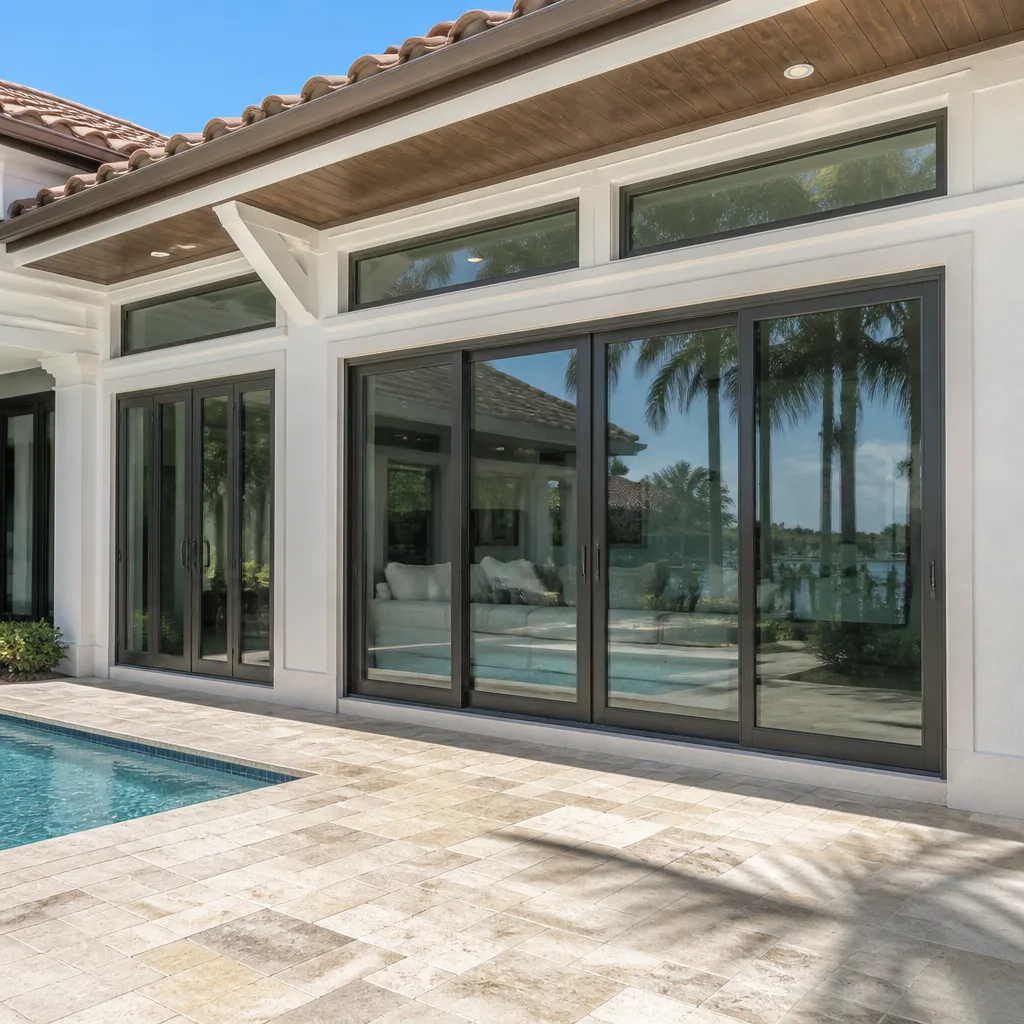
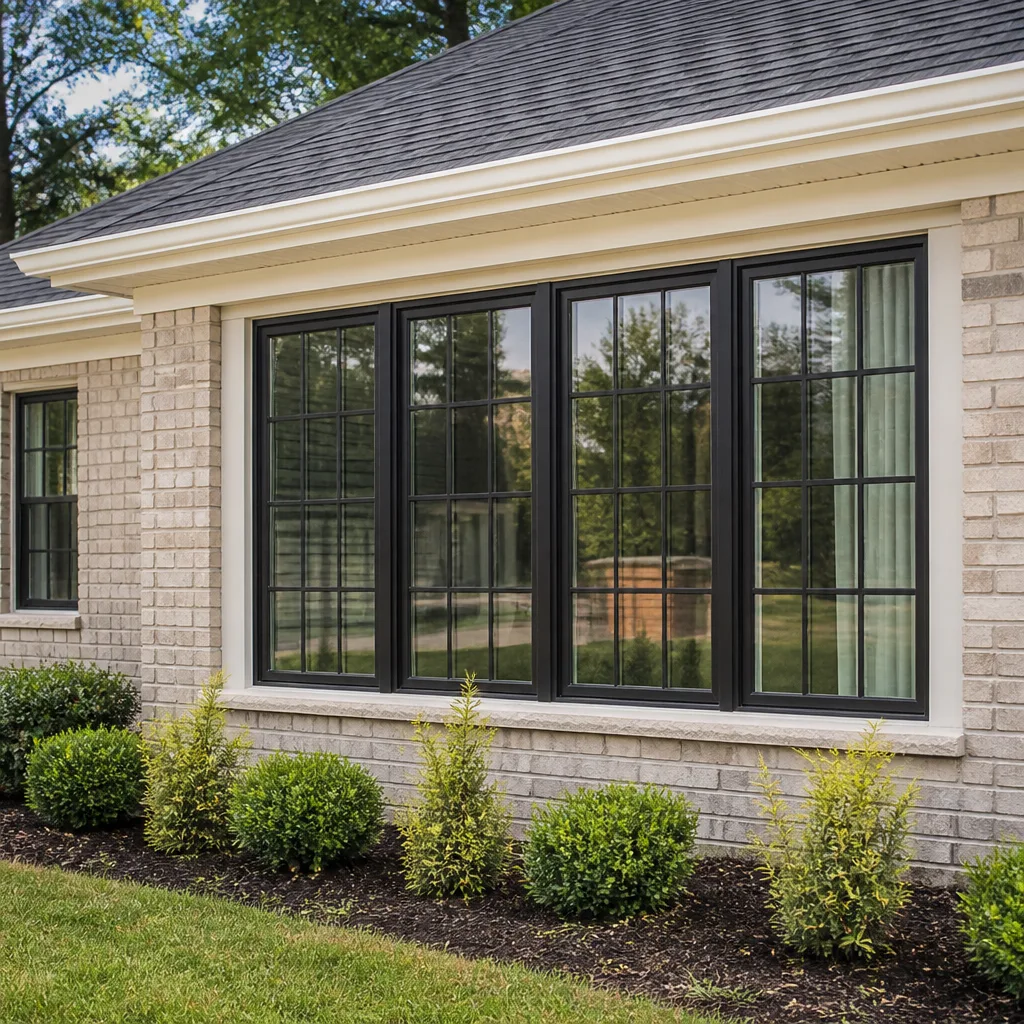
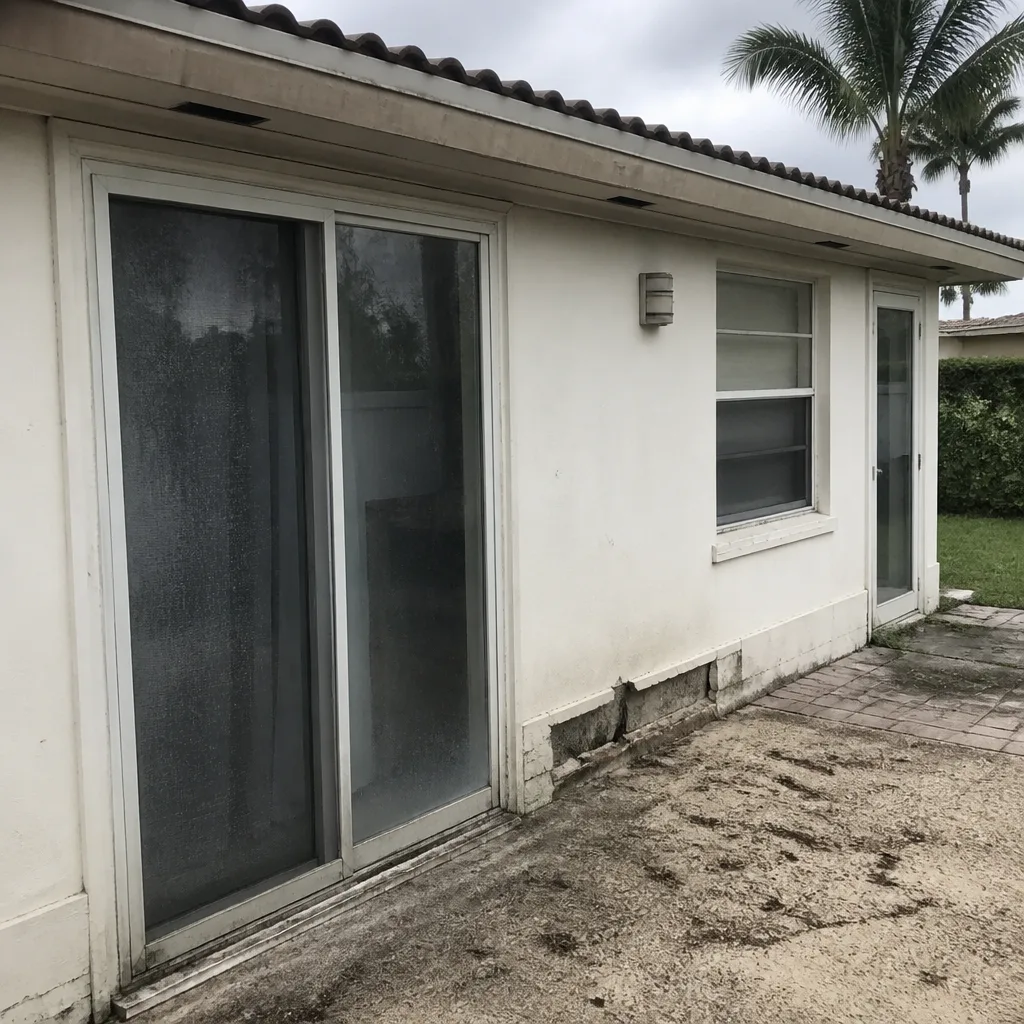 Before
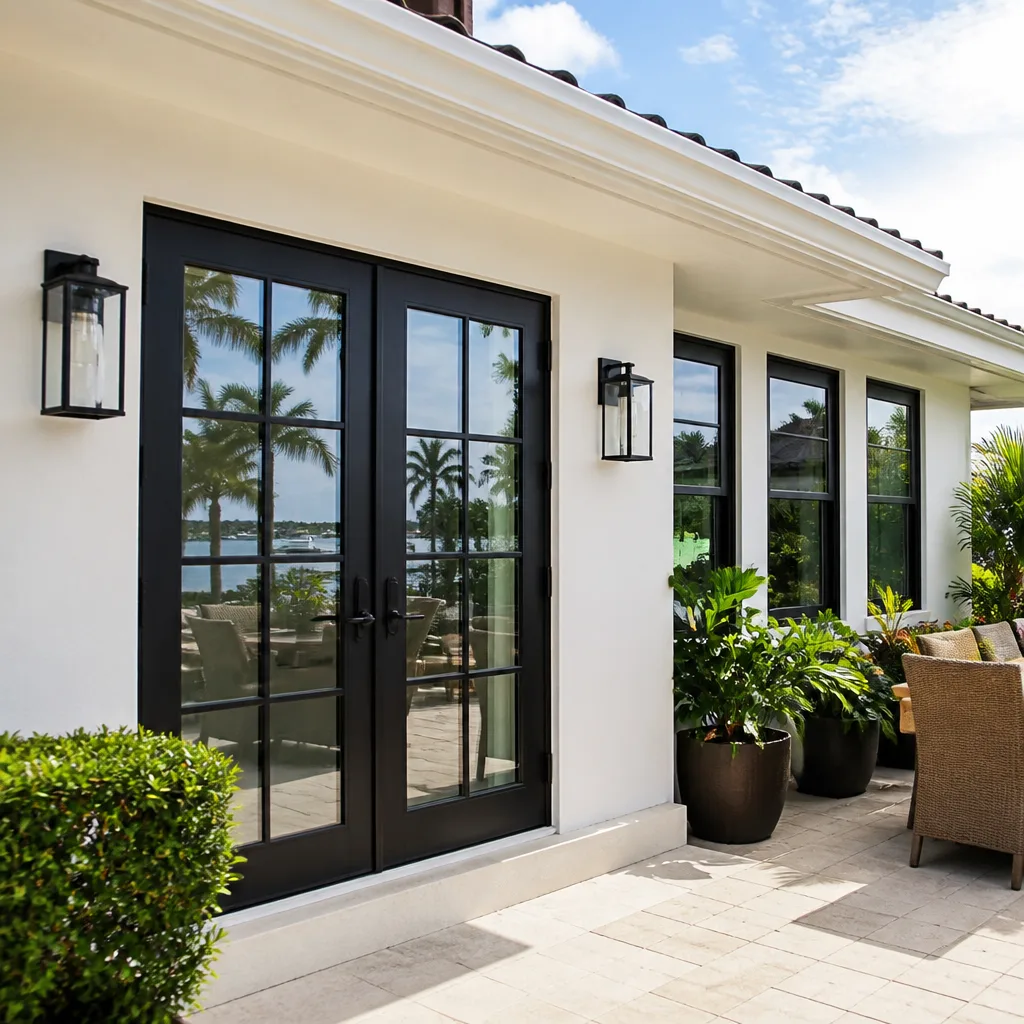 After
After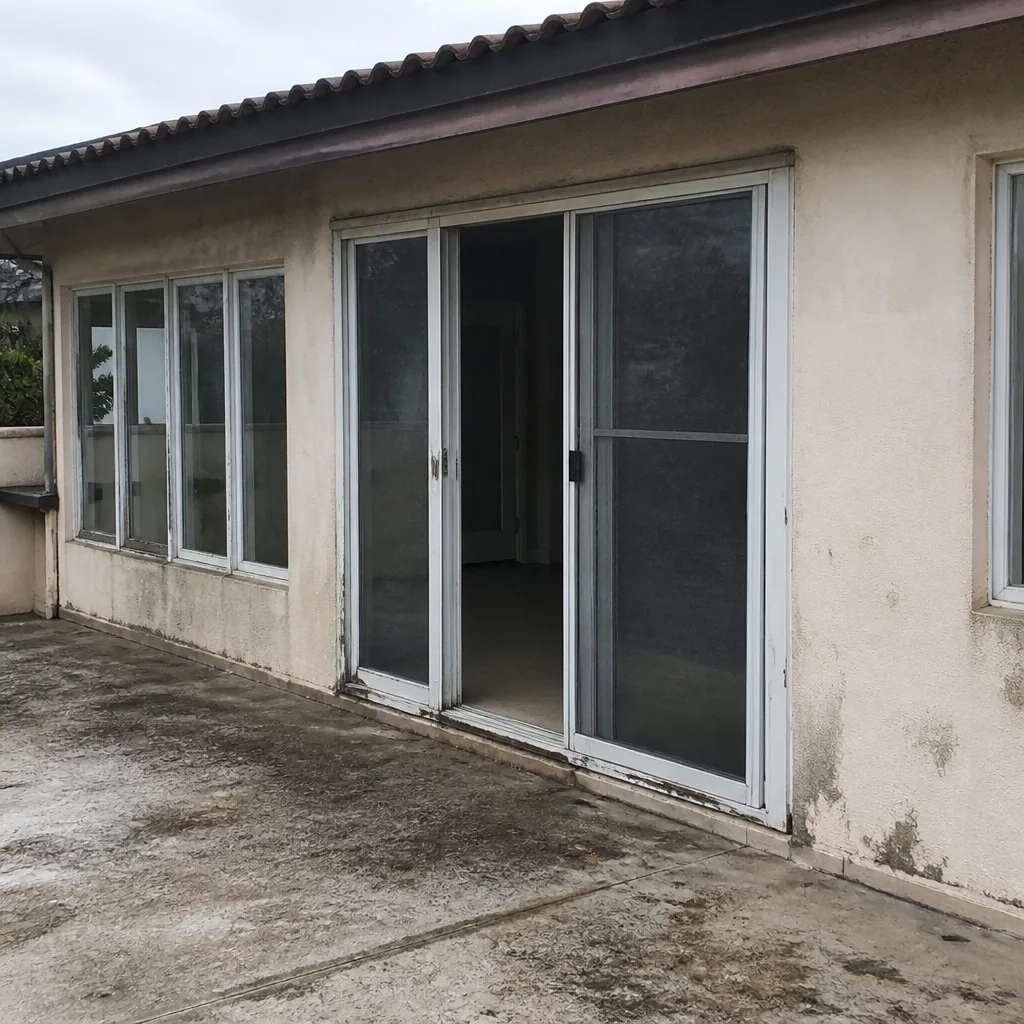 Before
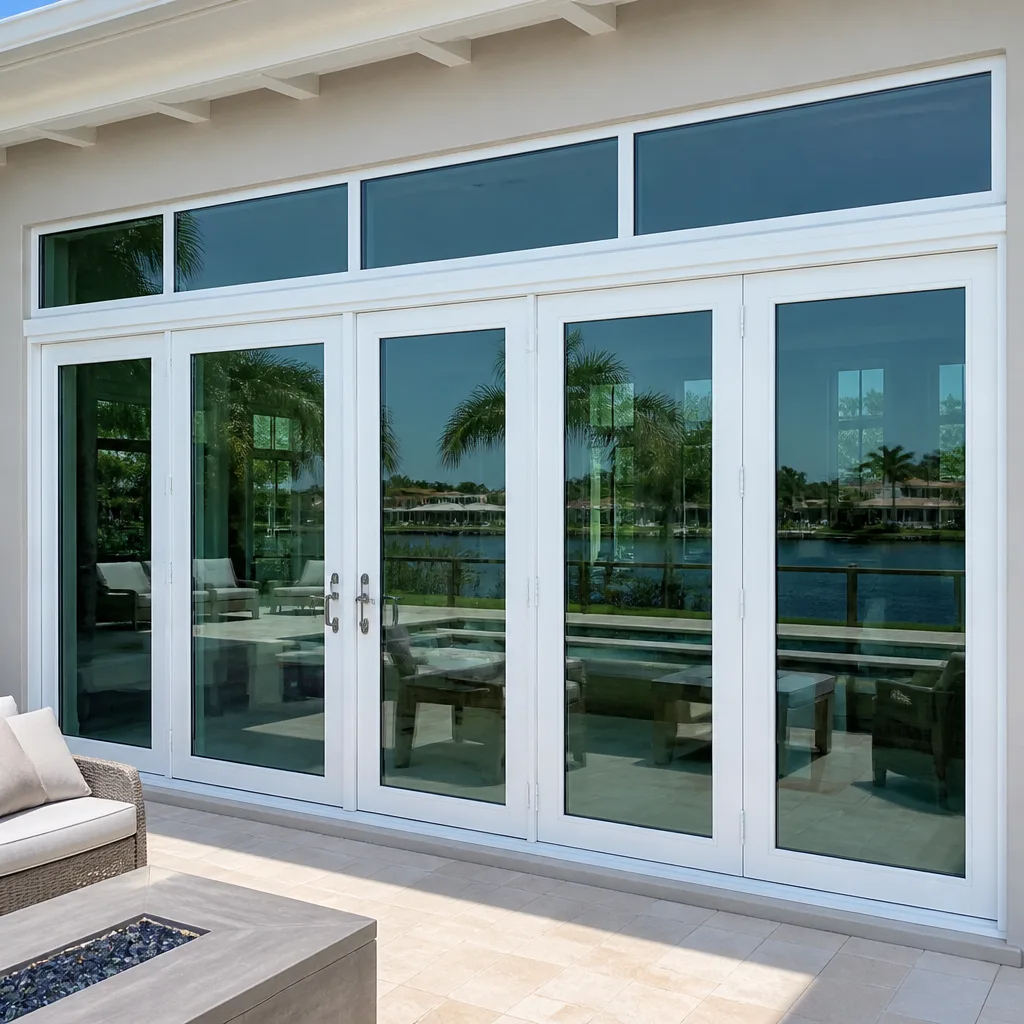 After
After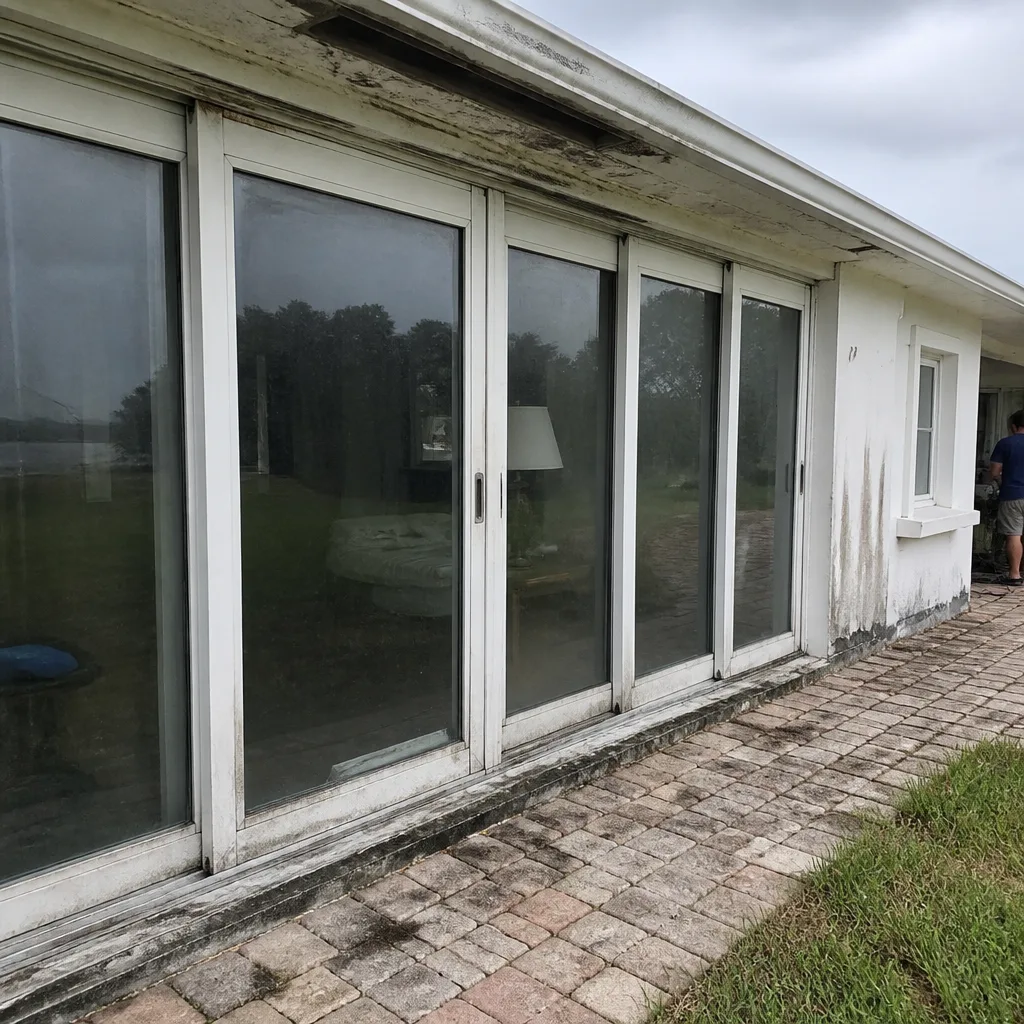 Before
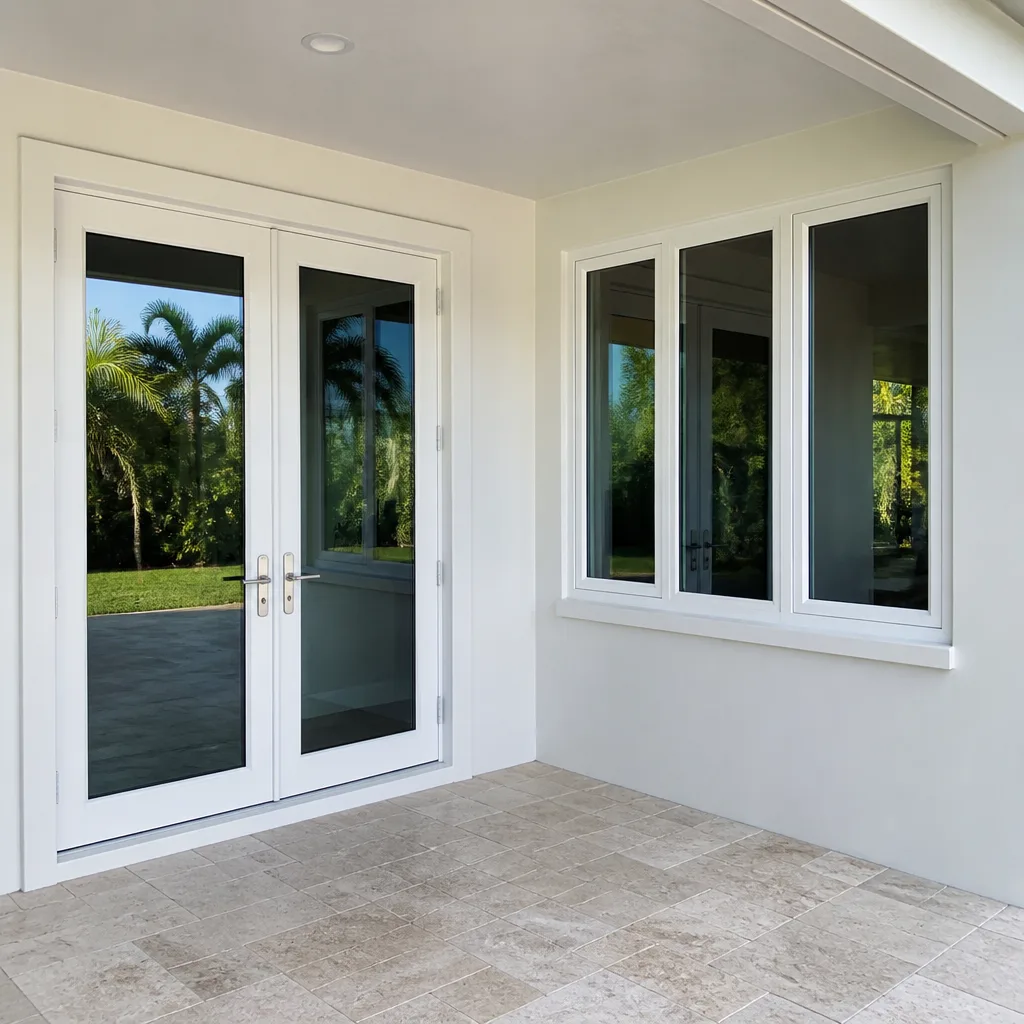 After
AfterDIY vs Professional Windows & Doors: The North Palm Beach Homeowner’s Decision Guide
Most North Palm Beach homeowners assume the DIY-versus-professional question comes down to skill with a level and a caulk gun. It doesn’t. Florida Statute 489 prohibits unlicensed persons from performing window and door replacement work on any structure requiring a building permit, and the permit is required for any replacement that changes the rough opening or involves an impact-rated unit. That describes nearly every project in North Palm Beach, where the Florida Building Code mandates impact-rated glazing for all new and replacement installations in the High-Velocity Hurricane Zone. What you’ll learn in this guide: the exact legal boundary of what you can and cannot do yourself, the hidden cost of the owner-builder exemption, which three tasks actually save money without legal exposure, and how unpermitted work voids storm-damage coverage under standard Florida homeowners policies. For a deeper dive into protecting your investment year-round, see our Seasonal Windows & Doors Care for North Palm Beach: Year-Round Homeowner’s Guide.
Quick Answer
DIY window and door installation in North Palm Beach is legally restricted by Florida Statute 489, which requires a licensed contractor to pull the permit for most replacements. Homeowners can act as their own contractor under an owner-builder permit, but this triggers a mandatory disclosure on the property deed that must be revealed to every future buyer. For most North Palm Beach properties, professional installation is not optional; it is the only path that preserves insurance coverage, resale value, and code compliance. Our How to Hire a Windows & Doors Contractor in North Palm Beach: A Step-by-Step Guide walks you through selecting the right professional.
Table of Contents
- What Florida Law Actually Says About DIY Window and Door Work
- The Owner-Builder Exemption: What It Permits and What It Costs You
- Three Tasks a Homeowner Can Legally Do to Reduce Cost
- What a Failed DIY Installation Costs to Remediate
- How Insurance Carriers Treat Unpermitted Window and Door Work
- Owner-Supplied, Contractor-Installed: Does the Hybrid Approach Save Money?
- North Palm Beach-Specific Considerations: Climate, Code, and Market
- Permits, Inspections, and the Paper Trail That Protects You
 Before
 After
AfterWhat Florida Law Actually Says About DIY Window and Door Work
Florida Statute 489.103 contains the owner-builder exemption, the provision most homeowners cite when they consider installing their own windows or doors. The statute permits a property owner to act as their own contractor and perform work “without compensation” on their own property, provided the structure is single-family, detached, and intended for the owner’s occupancy for at least twelve months. On first reading, this appears to authorize full DIY installation.
The exemption collapses under scrutiny for three reasons specific to window and door replacement in North Palm Beach:
- Permit requirement: The Florida Building Code requires a permit for any window or door replacement that alters the rough opening, changes the egress requirements, or involves impact-rated products. Impact-rated units are mandatory in Palm Beach County’s High-Velocity Hurricane Zone. A permit application for structural work must be signed by a licensed contractor or a state-registered architect or engineer. The owner-builder can sign, but only after attesting under penalty of perjury that they understand the building code and will comply with it.
- Scope limitation: The exemption does not authorize the owner to hire unlicensed workers to perform the labor. If the owner does not personally install the unit, every person working on the project must be a licensed contractor or a direct employee of the owner-builder covered by workers’ compensation. Most homeowners who imagine “DIY” mean hiring a handyman or day laborer. That arrangement violates the statute.
- Compensation prohibition: The owner cannot sell, lease, or otherwise dispose of the property within twelve months without triggering the disclosure requirement. The statute defines “compensation” broadly enough that even placing the property in a rental pool or refinancing with a cash-out provision has been interpreted as disqualifying.
The practical effect in North Palm Beach: a homeowner can legally install their own window only if they personally perform every aspect of the work, pull their own permit with full code compliance, occupy the property for twelve months minimum, and accept a permanent disclosure on the property record. For the typical homeowner replacing a failed impact window after a storm, or upgrading to energy-efficient units before sale, the exemption offers no safe harbor.
We’ve reviewed permit applications in North Palm Beach where the owner-builder checked the exemption box without understanding that the disclosure statement attaches to the deed, not just the permit file. The language is unambiguous: “I understand that by signing this permit application as an owner-builder, I am subject to the disclosure requirements of Section 489.103(7), Florida Statutes, and that this disclosure must be provided to any subsequent purchaser of the property.” That disclosure becomes a title defect. It does not expire.
The Owner-Builder Exemption: What It Permits and What It Costs You

The owner-builder exemption is not a free pass. It is a legal mechanism with specific costs, risks, and permanent consequences that most homeowners in North Palm Beach do not discover until they attempt to sell or refinance.
Here is what the exemption actually permits:
- The owner may personally perform window or door installation on their own single-family, detached home.
- The owner may apply for the building permit in their own name, provided they sign an affidavit acknowledging personal responsibility for code compliance.
- The owner may hire licensed subcontractors directly, provided each subcontractor is properly licensed for their trade and the owner obtains proof of insurance and workers’ compensation coverage.
Here is what the exemption costs:
- Disclosure obligation: Florida Statute 489.103(7) requires a specific disclosure statement to be recorded with the property deed and provided to every subsequent purchaser. The disclosure states that the work was performed without a licensed contractor and that no implied warranty of fitness or merchantability applies. In North Palm Beach’s active resale market, this disclosure reduces buyer confidence and extends time-on-market. We’ve seen purchase contracts where the buyer’s attorney flagged the owner-builder disclosure as a material defect requiring a $15,000 escrow holdback for inspection and potential rework.
- Insurance exposure: Workers’ compensation coverage for owner-builder projects is the owner’s personal responsibility. If a hired helper is injured on the job, the owner’s homeowners liability policy may deny coverage for unlicensed construction activity, leaving the owner personally exposed to medical costs and lost-wage claims.
- Liability for code violations: The owner-builder bears full legal and financial responsibility for any code violation, including those discovered years after installation. A licensed contractor carries errors-and-omissions coverage and statutory warranty obligations. An owner-builder carries personal liability with no insurance backstop.
- Permit and inspection fees: The owner pays the same permit fees as a contractor, typically $150-$400 per opening in Palm Beach County, plus re-inspection fees if the work fails initial inspection. The owner also pays for any required engineering review of structural changes or impact-rated product approval documentation.
The disclosure requirement is the most frequently underestimated cost. It does not disappear when the property sells. It remains on the chain of title, visible to every title insurer, lender, and subsequent buyer. In North Palm Beach, where properties turn over every 5-7 years on average, the owner-builder exemption creates a permanent discount on resale value that far exceeds any labor savings from DIY installation.
Three Tasks a Homeowner Can Legally Do to Reduce Cost
Professional installation does not require professional prices for every task. There are three specific activities a North Palm Beach homeowner can perform legally, safely, and productively without triggering permit restrictions, insurance exclusions, or disclosure requirements. After installation, reference our Window Installation Maintenance Checklist for North Palm Beach Homeowners to keep everything in top condition.
1. Interior Trim Removal
Removing interior casing, stool, and apron trim before the contractor arrives reduces labor hours and protects finishes the homeowner values. This work is non-structural, non-weathertight, and requires no permit. The homeowner should stop at the rough opening perimeter; any modification to the jack studs, header, or sill plate enters structural territory requiring licensed work.
Best practice: photograph the trim configuration before removal, label each piece by location, and store in climate-controlled space. Historic North Palm Beach homes, particularly those in the estates near Juno Beach and along the Intracoastal, often contain original mahogany or cypress trim that cannot be replicated. Documented removal by the owner preserves material that a contractor’s crew might damage in haste.
2. Interior Painting After Installation
Once the contractor has completed installation, passed inspection, and sealed the exterior, the homeowner can paint interior trim and wall surfaces. This task typically represents 8-12% of total project labor cost. The homeowner gains control over paint selection, scheduling, and finish quality without any legal exposure.
Critical timing: paint must not be applied until the contractor’s sealants have fully cured, typically 24-48 hours for silicone and 7 days for polyurethane foam backer rod systems. Painting too early traps solvents and compromises adhesion. The contractor should provide written confirmation that the installation is complete and sealed before painting begins.
3. Documentation Photography
Photographing every stage of the contractor’s work creates a permanent record for insurance, warranty, and future maintenance. While Sightline provides a documented photo record on every job as standard under Haven Clause 4 (Evidence on Every Job), homeowner photography captures angles and details specific to their concerns.
Recommended documentation sequence:
- Pre-installation: existing unit, surrounding wall condition, interior and exterior.
- Rough opening exposed: framing condition, any water damage or pest evidence.
- Installation in progress: flashing details, sealant beads, shimming and fastening.
- Completed installation: interior and exterior sightlines, operation of hardware, closed and locked positions.
- Final inspection: permit completion card or inspector sign-off documentation.
These photographs serve practical purposes beyond record-keeping. Insurance adjusters after Hurricane Irma and Nicole requested installation documentation to verify that impact-rated units were properly installed before approving storm-damage claims. Homeowners with dated photographs received faster settlements.
Participation in these three tasks can reduce total invoice cost by 10-15% without legal exposure. The savings come from reduced labor hours, not from substituting unlicensed work for licensed work. The permit, inspection, and warranty coverage remain intact.
What a Failed DIY Installation Costs to Remediate
We have been called to correct DIY window and door installations in North Palm Beach, Juno Beach, and Palm Beach Gardens. The pattern is consistent: the homeowner begins with confidence, encounters an unexpected condition, and either abandons the project or completes it with visible defects. The cost to remediate always exceeds the original professional installation quote.
Here is the typical cost structure for a failed DIY installation of a standard 36×72 impact-rated window in North Palm Beach:
| Remediation Item | Cost Range |
|---|---|
| Removal of improperly installed unit (often damaged in removal) | $180 – $320 |
| Structural repair to damaged rough opening | $400 – $1,200 |
| New impact-rated window unit (original often voided by improper handling) | $650 – $1,400 |
| Licensed contractor installation with permit | $380 – $620 |
| Permit and inspection fees | $150 – $400 |
| Re-inspection fee if first inspection fails | $75 – $150 |
| Interior finish repair (drywall, trim, paint) | $300 – $800 |
| Total Remediation Cost | $2,135 – $4,890 |
The original professional installation cost for the same opening, properly permitted and inspected, typically ranges from $1,200 to $2,400 depending on product line and access conditions. The failed DIY costs roughly double.
The most expensive failures we have corrected involved water intrusion damage concealed by interior trim. In one North Palm Beach case near the Bear’s Club, a homeowner installed a sliding patio door without proper sill pan flashing. Water entered the wall cavity for eighteen months before visible staining appeared. Remediation required removal of the door, replacement of the sill plate and adjacent framing, mold remediation, and reconstruction of the interior wall and flooring. Total cost exceeded $14,000. The original professional installation quote had been $3,800.
The inspector’s re-inspection fee is a cost homeowners rarely anticipate. Palm Beach County Building Division charges for each re-inspection after initial failure. Common DIY failures include: improper fastening schedule (impact-rated units require specific anchor spacing and embedment depth), missing or inadequate sealant at the head jamb, and failure to provide the required product approval documentation for the specific impact-rated unit installed. Each failure requires correction and re-inspection, with fees accumulating.
How Insurance Carriers Treat Unpermitted Window and Door Work
Florida homeowners insurance policies contain specific exclusions for unpermitted improvements, and window and door installations are classified as improvements under standard policy language. The exclusion is not a vague loophole; it is explicit, and carriers enforce it aggressively after hurricane events when claim volumes strain reserves.
Standard policy language, paraphrased from filings by major Florida carriers: “We do not cover loss or damage to any portion of the dwelling that results from work performed without required building permits, or from work that does not comply with applicable building codes, ordinances, or regulations in effect at the time of the work.”
The exclusion operates in three specific ways relevant to North Palm Beach homeowners:
- Storm damage denial: If an unpermitted window fails during a hurricane, the carrier may deny the entire claim for window replacement, water damage to interior finishes, and mold remediation, arguing that the unpermitted installation was the proximate cause of the failure. We reviewed a claim denial from Hurricane Nicole where the carrier’s engineer testified that the DIY-installed impact window failed because the fastening pattern did not match the product approval, voiding the design pressure rating. The homeowner received zero coverage for $47,000 in damages.
- Code upgrade exclusion: Florida law requires insurers to offer law and ordinance coverage for code-required upgrades after a covered loss. If the original installation was unpermitted, the carrier may deny law and ordinance coverage, leaving the homeowner to pay out-of-pocket for code-compliant replacement after a storm.
- Rescission risk: If the insurer discovers unpermitted work during underwriting or renewal, the policy may be rescinded or non-renewed. In Florida’s constrained insurance market, non-renewal can force the homeowner into the state-backed Citizens Property Insurance Corporation at higher rates with lower coverage limits.
The critical point: the permit is not merely a bureaucratic requirement. It is the documentation that triggers insurance coverage. A permitted installation with passed inspections creates a record that the work complied with code at the time of installation. An unpermitted installation creates a coverage gap that the carrier will exploit after a loss.
North Palm Beach’s location on the Atlantic coast, with exposure to Category 4 and 5 hurricane winds, makes this exclusion particularly consequential. The design pressure ratings for impact windows in this area, typically DP-50 or higher, are validated by specific installation procedures documented in the product approval. Deviation from those procedures, common in DIY installation, voids both the product warranty and the insurance coverage.
Owner-Supplied, Contractor-Installed: Does the Hybrid Approach Save Money?
Some North Palm Beach homeowners attempt a hybrid approach: purchasing windows or doors directly from a distributor, then hiring a contractor for installation only. The theory is that eliminating the contractor’s product markup produces net savings. The theory rarely survives contact with actual contractor pricing.
Contractors who install owner-supplied units typically apply a surcharge that offsets most or all of the perceived savings. The surcharge reflects several real costs:
- Warranty complexity: When the contractor supplies the product, a single entity warrants both product and installation. With owner-supplied units, product warranty claims must go to the distributor or manufacturer, while installation warranty claims go to the contractor. The contractor charges for the administrative burden of coordinating between two warranty streams.
- Coordination risk: Owner-supplied units arrive on the owner’s schedule, not the contractor’s. If the unit is damaged, incorrect, or delayed, the contractor’s crew is idled. The surcharge prices this risk.
- Lost markup: Contractors earn margin on product supply. When that margin disappears, labor rates adjust upward to maintain project profitability. The homeowner sees a lower line item for “materials” and a higher line item for “labor,” with minimal net change in total project cost.
We’ve analyzed hybrid arrangements for North Palm Beach projects using Window Installation in North Palm Beach pricing. A typical impact window package supplied by Sightline, installed under Haven Clause 1 with written price before work starts, runs approximately $1,200-$2,400 per opening depending on size and product tier. The same opening with owner-supplied unit from a regional distributor and contractor installation only runs $1,050-$2,100 for the unit plus $650-$950 for installation, totaling $1,700-$3,050. The hybrid approach costs more, not less, and fragments warranty responsibility.
There is one narrow exception: homeowners with direct trade access through employment in construction, property management, or real estate development may obtain distributor pricing unavailable to retail buyers. Even then, the contractor’s surcharge and warranty fragmentation typically consume the margin advantage.
For most North Palm Beach homeowners, the hybrid approach offers theoretical control without actual savings. The Sightline Windows & Doors North Palm Beach home pricing model, with eight manufacturer lines specified by performance tier and price range, provides transparent product cost without requiring the homeowner to source independently.
North Palm Beach-Specific Considerations: Climate, Code, and Market
North Palm Beach occupies a specific position in South Florida’s building environment that shapes every window and door decision. Understanding these local conditions explains why DIY installation faces structural barriers beyond general legal restrictions.
High-Velocity Hurricane Zone designation: Palm Beach County is within the HVHZ, which triggers the most stringent impact-resistant requirements in the Florida Building Code. Every new and replacement window and door must be impact-rated or protected by an approved shutter system. Impact-rated units require product-specific installation procedures documented in Florida Product Approval or Miami-Dade Notice of Acceptance. These procedures specify fastening patterns, sealant types, and structural attachment methods that vary by manufacturer and product line. A homeowner installing a CGI Sentinel impact window must follow the CGI-approved installation detail, not a generic YouTube tutorial. Deviation voids the product approval and the installation permit.
Salt-air corrosion: North Palm Beach’s proximity to the Atlantic and the Intracoastal Waterway accelerates corrosion of fasteners, hardware, and aluminum frames. The Florida Building Code requires specific fastener materials and coatings for coastal applications. Stainless steel fasteners are mandatory in many exposure conditions; zinc-plated or uncoated fasteners, common in big-box hardware stores, fail within 3-5 years. Professional contractors source coastal-grade fasteners through trade suppliers, not retail channels.
Soil and foundation conditions: The sandy, well-drained soils of North Palm Beach create specific settlement patterns that affect door operation over time. We’ve measured frame racking in homes near the John D. MacArthur Beach State Park area where differential settlement has thrown patio door frames out of square. Correcting these conditions requires structural assessment and shimming protocols that exceed standard installation scope.
Market conditions: North Palm Beach’s housing stock includes significant mid-century construction, 1980s-1990s tract homes, and recent estate construction. Each era presents different conditions: plaster-and-lath walls in 1960s homes, aluminum frame windows with integral nailing fins in 1980s construction, and engineered wall systems in recent builds. Generic DIY instructions do not address era-specific conditions. Window Replacement in North Palm Beach requires assessment of the existing wall system before product selection.
Neighborhood character: Communities like Lost Tree Village and Seminole Landing have architectural review boards with specific sightline and material requirements. Window replacement in these communities requires board approval before permit application. The approval process typically requires detailed product specifications and installation drawings that homeowners cannot generate without professional assistance.
Energy efficiency requirements: The Florida Energy Conservation Code mandates specific U-factor and Solar Heat Gain Coefficient (SHGC) values for replacement windows. North Palm Beach’s cooling-dominated climate makes SHGC particularly consequential; low-SHGC glazing reduces air conditioning load but may conflict with aesthetic preferences for clear glass. Product selection requires balancing code compliance, energy performance, and visual requirements, a task that benefits from professional specification using the full range of available product lines.
Permits, Inspections, and the Paper Trail That Protects You
The permit is not the end of the process. It is the beginning of a documentation chain that protects the homeowner through resale, insurance claims, and warranty enforcement. Understanding this chain explains why professional installation generates value beyond the physical work. Explore more guides & resources on protecting your North Palm Beach home.
Step 1: Measured survey. At Sightline, every engagement begins with a measured survey the customer keeps. This document records every opening dimension, existing condition note, and product specification. It becomes the basis for the written quote, which under Haven Clause 1 cannot differ from the survey. The homeowner has a permanent record of what was promised.
Step 2: Permit application. The licensed contractor submits the permit application with product approval documentation, installation details, and structural calculations if required. Palm Beach County Building Division reviews for code compliance before issuance. The permit record becomes a permanent public document.
Step 3: Installation with photographic documentation. Haven Clause 4 requires evidence on every job. Photographs document rough opening condition, flashing installation, fastening pattern, sealant application, and final appearance. These photographs are delivered to the homeowner and archived by the contractor.
Step 4: Inspection. The county inspector verifies code compliance, including product approval match, fastening schedule, sealant continuity, and operational function. A passed inspection generates a completion card that closes the permit.
Step 5: Warranty documentation. The 365-Day Done Right Promise, written into the Haven Standard, activates upon permit closure. The documented photo record, permit completion, and written warranty travel together as a single evidence package.
This paper trail is what insurance adjusters request after storm damage. It is what buyers’ inspectors verify during due diligence. It is what mortgage underwriters review when refinancing. DIY installation creates none of this documentation, or creates it incompletely, leaving the homeowner exposed at every subsequent transaction.
The permit fee, typically $150-$400 per opening in Palm Beach County, purchases more than inspection. It purchases a third-party verification of code compliance that is recognized by insurers, lenders, and courts. That recognition has concrete financial value that exceeds the fee.
Common Mistakes to Avoid
- Assuming the owner-builder exemption applies to hired labor. The exemption permits only the owner’s personal labor. Hiring a handyman, day laborer, or unlicensed worker to perform installation violates Florida Statute 489 and voids the exemption entirely.
- Installing impact-rated units without product-specific approval documentation. Every impact window and door sold in Florida must carry a Florida Product Approval or Miami-Dade NOA with specific installation instructions. Generic installation voids the rating and the permit. We’ve corrected installations where the homeowner used a PGT unit with CGI-approved fasteners, a mismatch that failed inspection.
- Neglecting the sill pan flashing detail. Water intrusion at the sill is the most common failure mode we see in corrected DIY installations. The sill pan must extend to the exterior face of the wall, integrate with the weather-resistive barrier, and include end dams. Skipping this detail, or using caulk as a substitute, guarantees water damage within 2-4 years in North Palm Beach’s driving rain conditions.
- Failing to verify insurance before hiring any worker. If the owner-builder exemption is used and any helper is injured, the owner’s personal assets are exposed. Workers’ compensation coverage for construction activity is not included in standard homeowners policies. Verification of coverage before work begins is mandatory, not optional.
- Ignoring the resale disclosure until listing. The owner-builder disclosure required by Florida Statute 489.103(7) must be provided to every subsequent purchaser, not merely disclosed on a seller’s disclosure form. Discovering this requirement during a pending sale creates negotiation leverage for the buyer and can delay or derail closing.
- Assuming big-box retail staff can specify impact-rated products correctly. Retail staff are trained to sell inventory, not to match product approvals to specific permit applications. We’ve encountered units sold as “hurricane rated” that carried only ASTM E1886 test reports, not the full Florida Product Approval required for permit issuance. The homeowner discovers the mismatch only when the inspector rejects the installation.
- Treating YouTube tutorials as code-compliant instructions. Online installation videos demonstrate techniques for generic conditions. They do not address the specific product approval, local amendment, or site condition that governs a permitted installation in North Palm Beach. The tutorial that worked in Michigan or Texas may violate Florida code.
When to Call a Professional
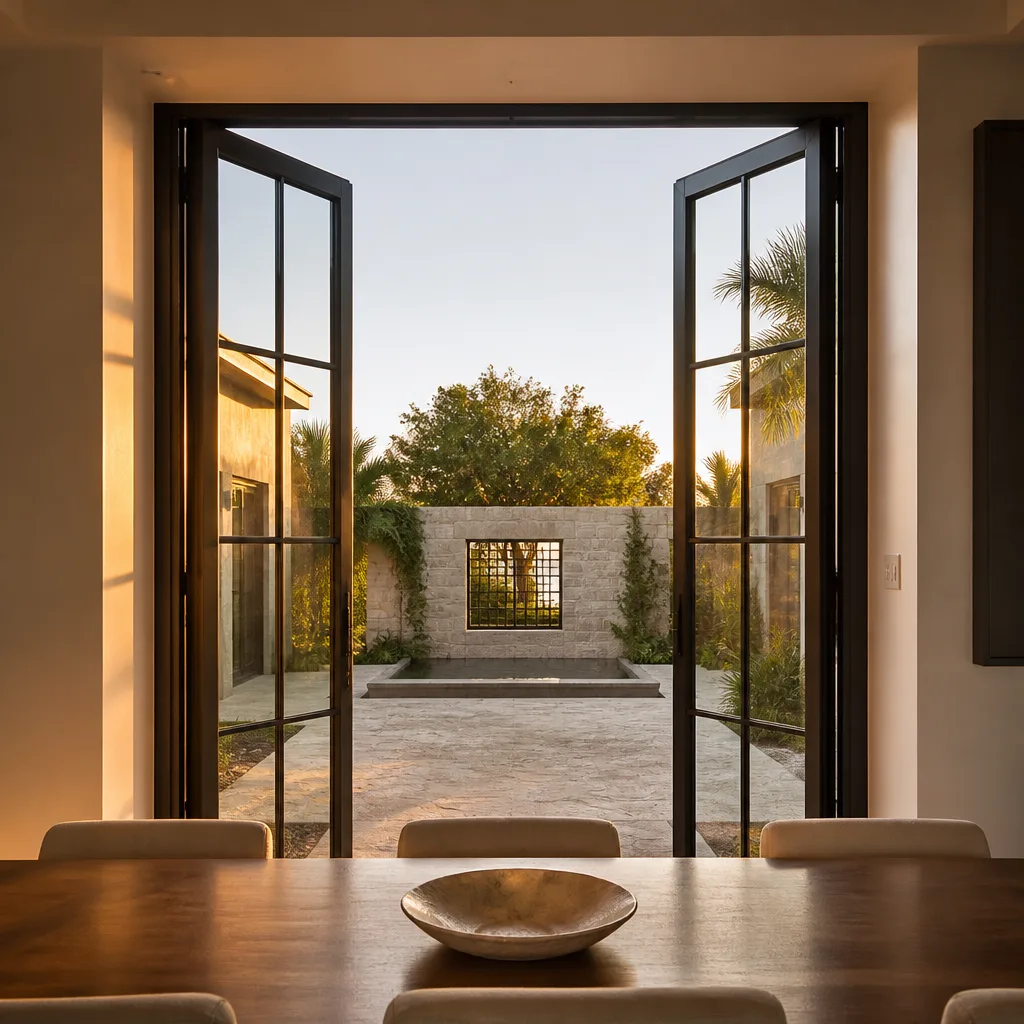
Call a licensed contractor for any window or door replacement that involves impact-rated products, structural modification, or permit requirements. In North Palm Beach, that describes nearly every project. Call immediately if you discover water intrusion, frame deterioration, or operational failure in an existing unit; these symptoms indicate conditions that require professional assessment before replacement.
Specific scenarios that require professional intervention: replacement of any window or door in a home built after 1992, when the Florida Building Code’s impact requirements took effect; installation of units in High-Velocity Hurricane Zone exposure conditions; replacement involving stucco or EIFS exterior finishes where weather-resistive barrier integration is critical; and any project where the homeowner intends to sell or refinance within five years.
Sightline Windows & Doors North Palm Beach offers free estimates in North Palm Beach. Our measured survey produces a written price before any work starts, and that price is governed by Haven Clause 1: the measurement and the quote are the same document. Call (561) 475-1246 to schedule your free estimate.
Frequently Asked Questions
You can legally install windows in your own single-family, detached home under Florida’s owner-builder exemption, but you must personally perform all work, pull your own permit, and accept a permanent disclosure on your property deed. If you hire anyone to assist, they must be licensed contractors or your direct employees with workers’ compensation coverage. For most North Palm Beach homeowners, the legal and financial exposure exceeds any labor savings. Call (561) 475-1246 for a free estimate on professional installation.
Professional installation of a standard impact-rated window in North Palm Beach typically ranges from $1,200 to $2,400 per opening, depending on size, product tier, and access conditions. This includes the unit, installation, permit, inspection, and warranty. High-performance units from manufacturers like ES Windows or ECO Window Systems, or custom geometric shapes, fall at the upper end. Sightline provides a written price before any work starts, with no change orders. Call (561) 475-1246 for an exact quote on your specific openings.
Yes. Standard Florida homeowners policies exclude damage resulting from unpermitted improvements or code-noncompliant work. If an unpermitted window fails during a hurricane, your carrier may deny the entire claim for window replacement, water damage, and mold remediation. The exclusion applies even if the unpermitted work predated your policy. Permitted installation with passed inspection creates the documentation required for coverage. Call (561) 475-1246 to discuss proper permitting for your project.
Florida Statute 489.103(7) requires a specific disclosure statement to be recorded with your property deed when you act as your own contractor. The disclosure states that the work was performed without a licensed contractor and that no implied warranty applies. You must provide this disclosure to every subsequent purchaser. In North Palm Beach’s active market, this disclosure reduces buyer confidence and may trigger inspection contingencies or price reductions. The disclosure does not expire; it remains on your chain of title permanently.
You can, but the hybrid approach rarely produces net savings. Contractors typically apply a surcharge to owner-supplied units that offsets most perceived savings, reflecting warranty fragmentation, coordination risk, and lost product margin. You also assume responsibility for product defects, delivery damage, and specification errors. Sightline specifies products from eight manufacturer lines by performance tier and price range, with single-source warranty coverage. Call (561) 475-1246 to compare total project cost.
You should receive: a measured survey with dimensions you keep; a written quote that matches the survey; product approval documentation for the specific units installed; a permit application with your property address; photographic documentation of installation; a passed inspection completion card; and a written warranty. At Sightline, Haven Clause 4 (Evidence on Every Job) requires documented photo records on every visit, and the 365-Day Done Right Promise provides written warranty coverage. If your contractor cannot produce these documents, the installation may not be properly permitted or warranted.
The Bottom Line
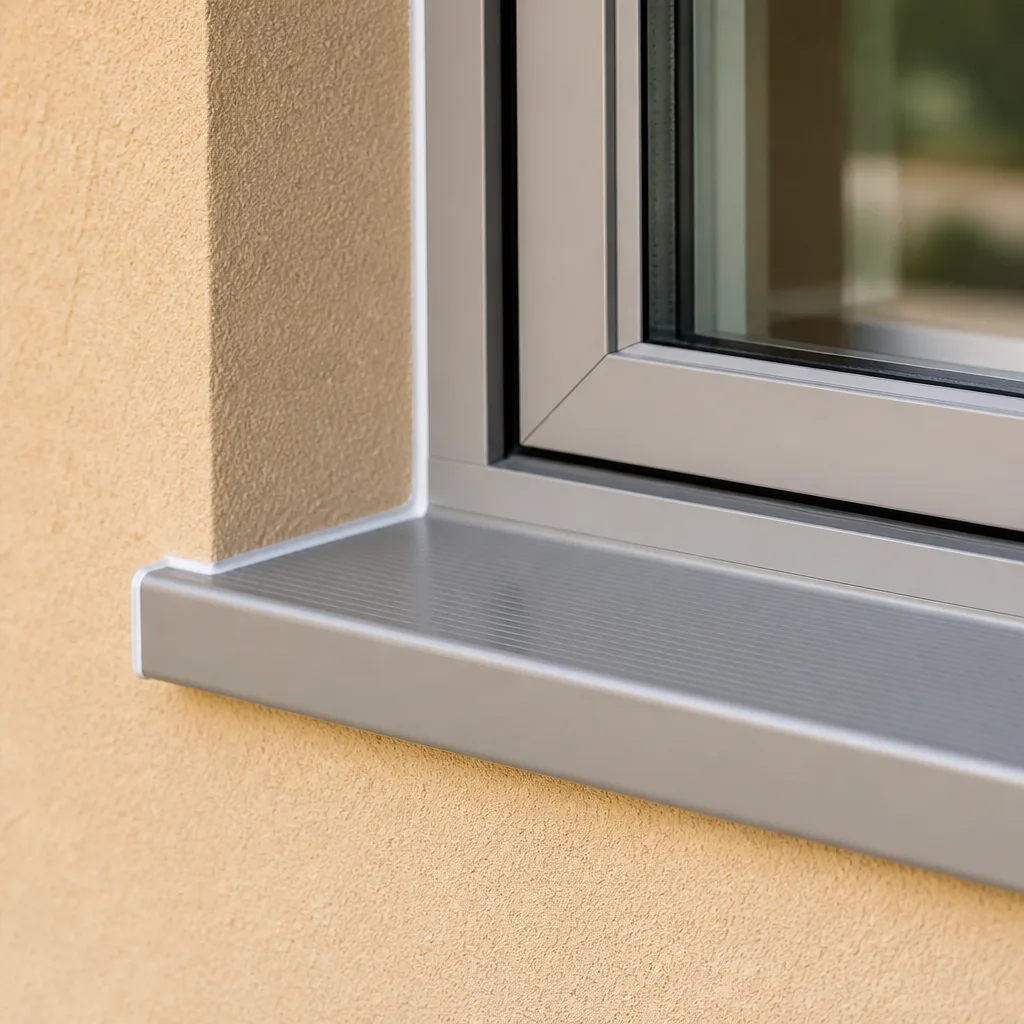
The DIY-versus-professional question for windows and doors in North Palm Beach is settled by law before it is settled by skill. Florida Statute 489 restricts unlicensed installation on permitted structures, and the Florida Building Code requires permits for nearly every replacement project in the High-Velocity Hurricane Zone. The owner-builder exemption exists but carries permanent disclosure obligations, insurance exclusions, and resale consequences that exceed any labor savings. Three tasks, trim removal, interior painting, and documentation photography, offer genuine cost reduction without legal exposure. For the installation itself, professional work under Haven Clause 1 provides the written price, permitted compliance, and documented evidence that protects your investment through every future storm, sale, and insurance claim.
Written by Sonia Raman, Owner at Sightline Windows & Doors North Palm Beach, serving North Palm Beach since 2012.