
Last updated September 24, 2026
Free in-home measure and quote - PGT, CGI and CWS impact lines compared on your actual openings, style by style
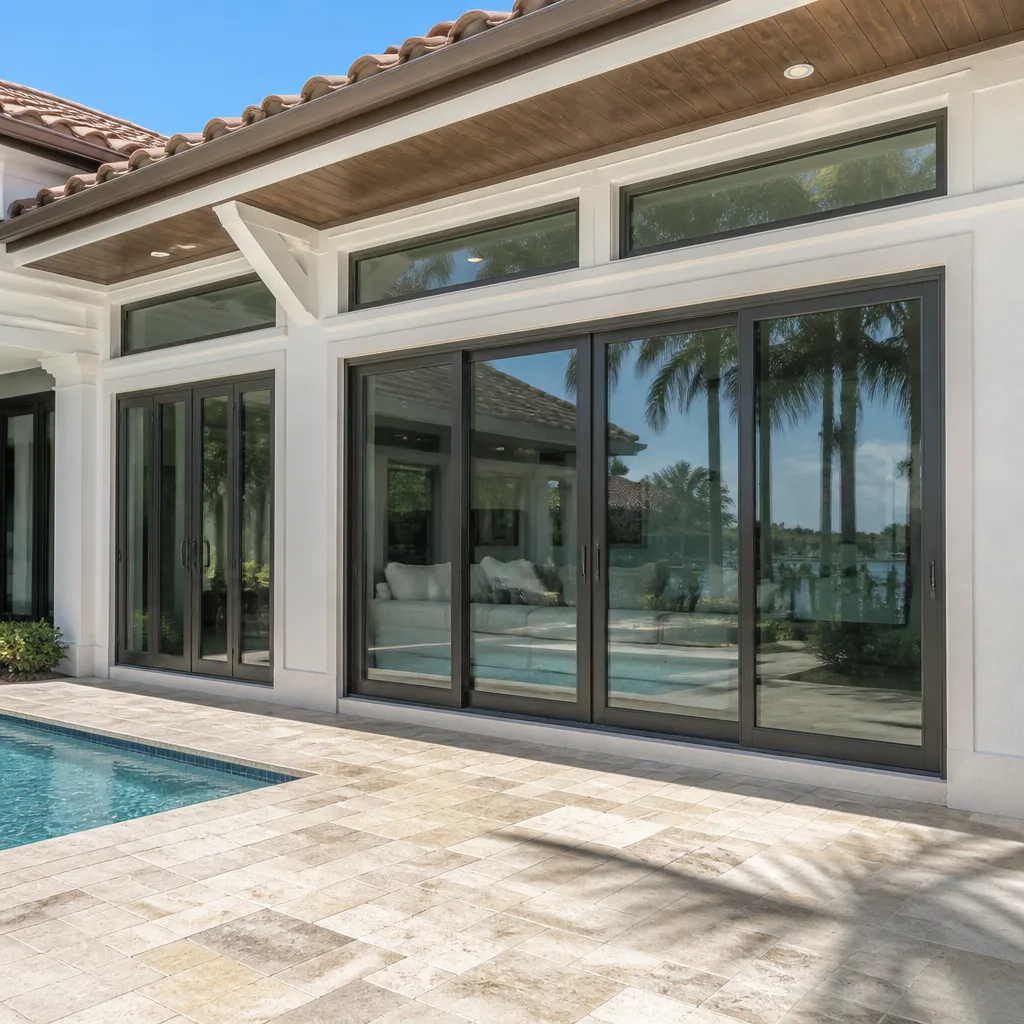
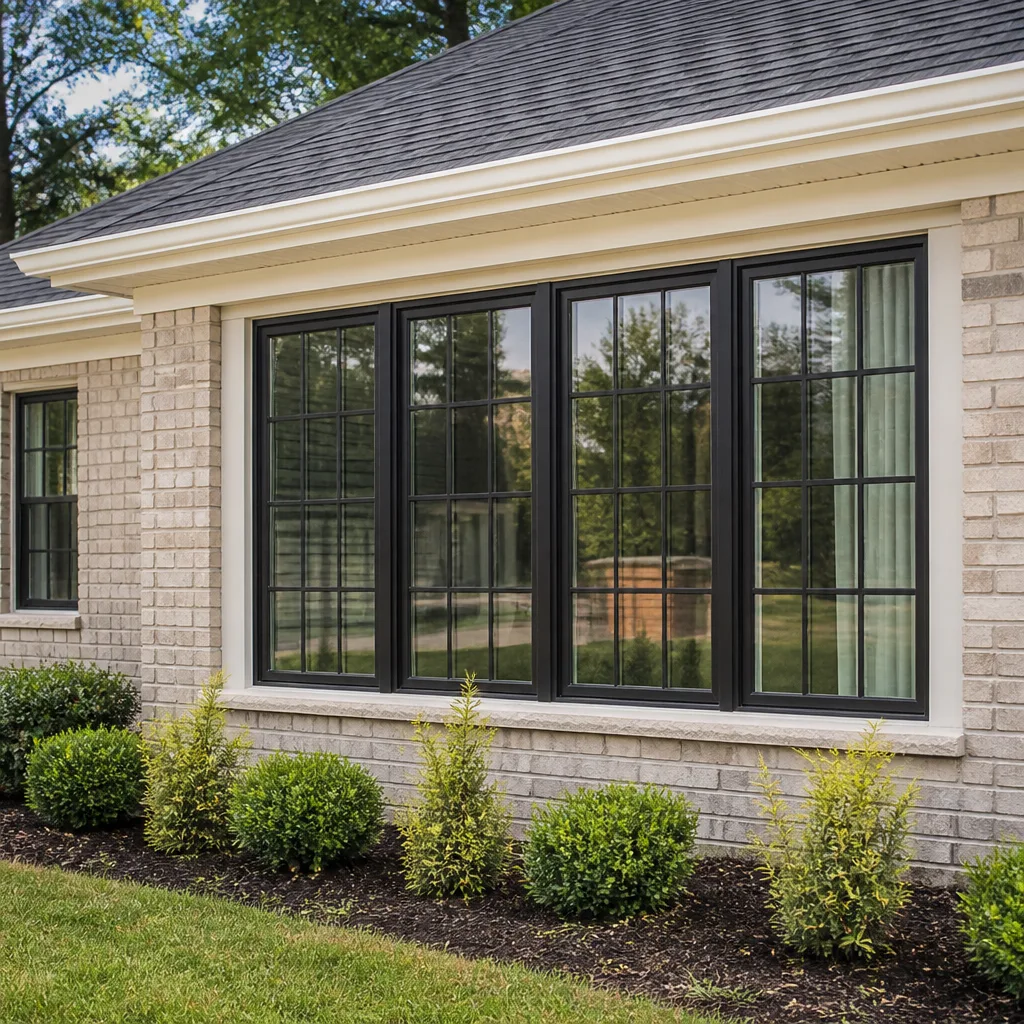
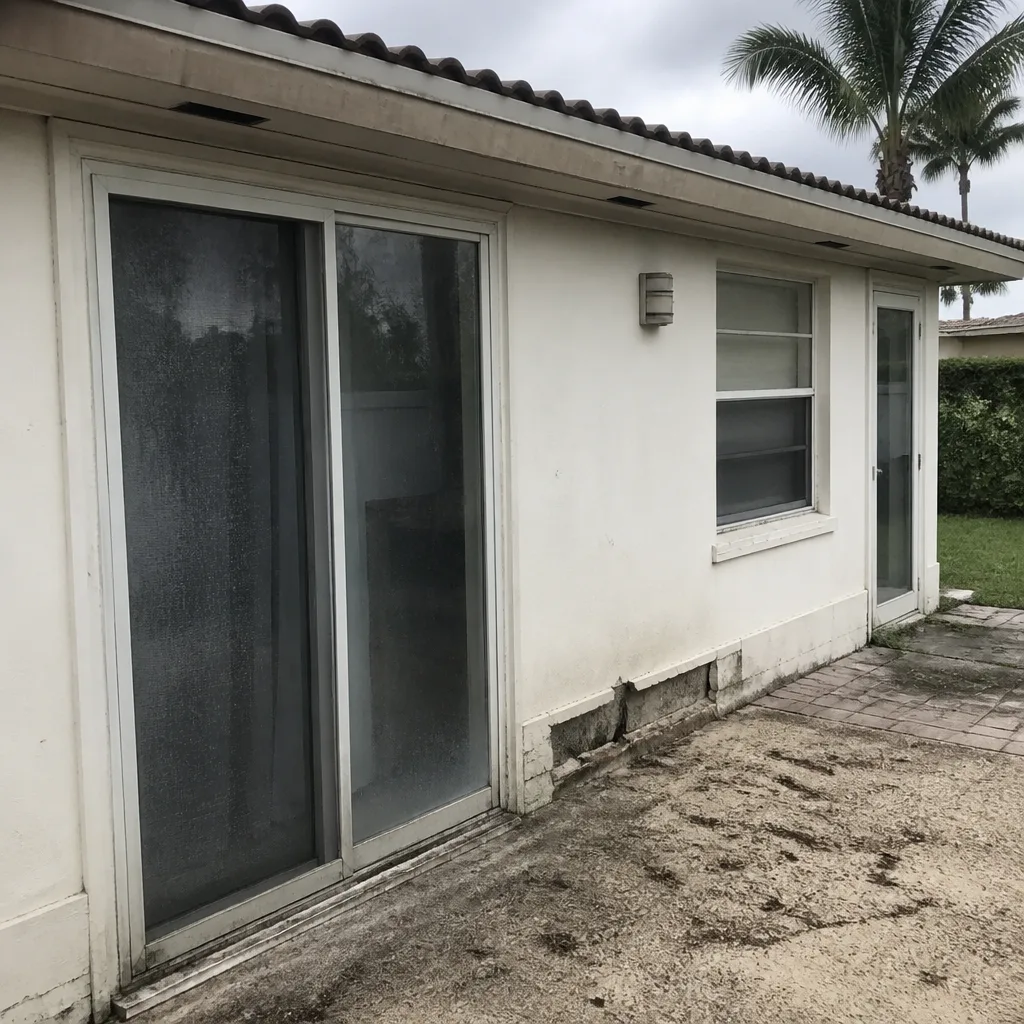 Before
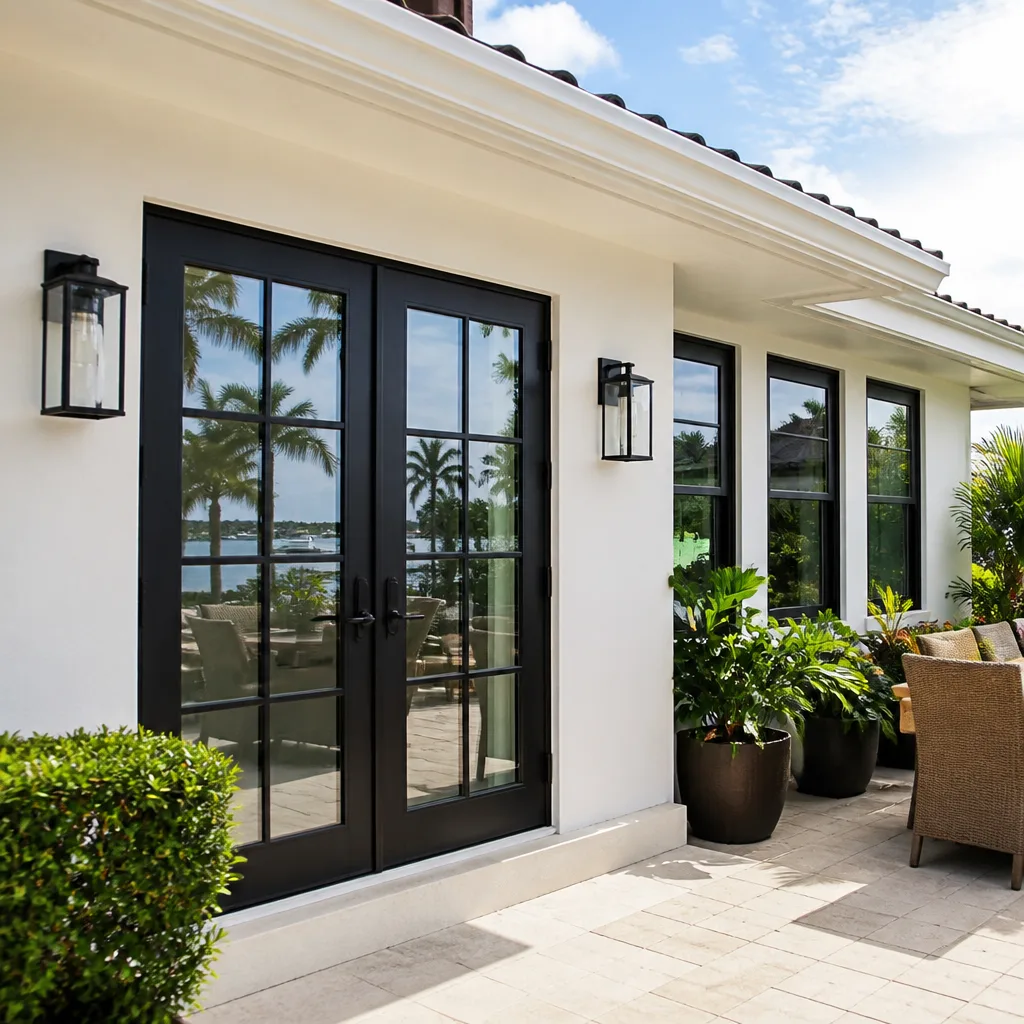 After
After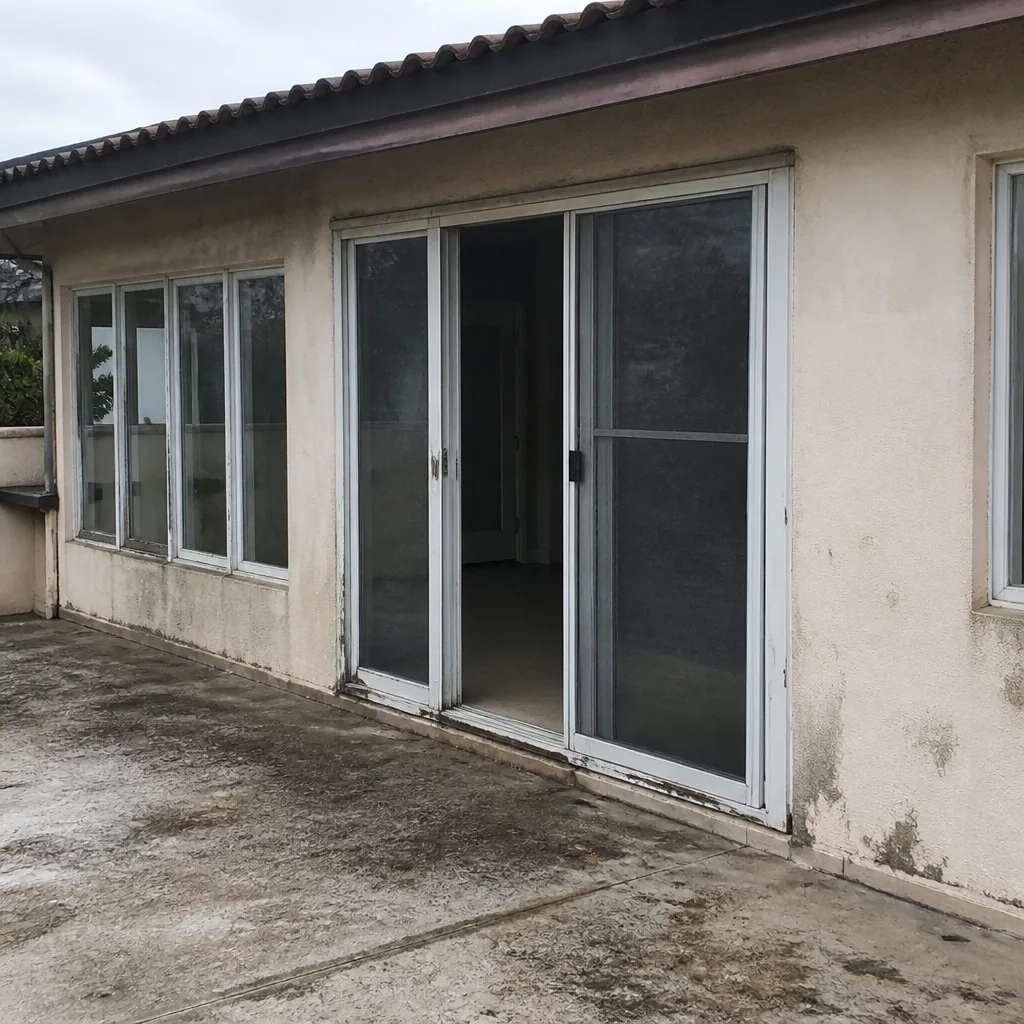 Before
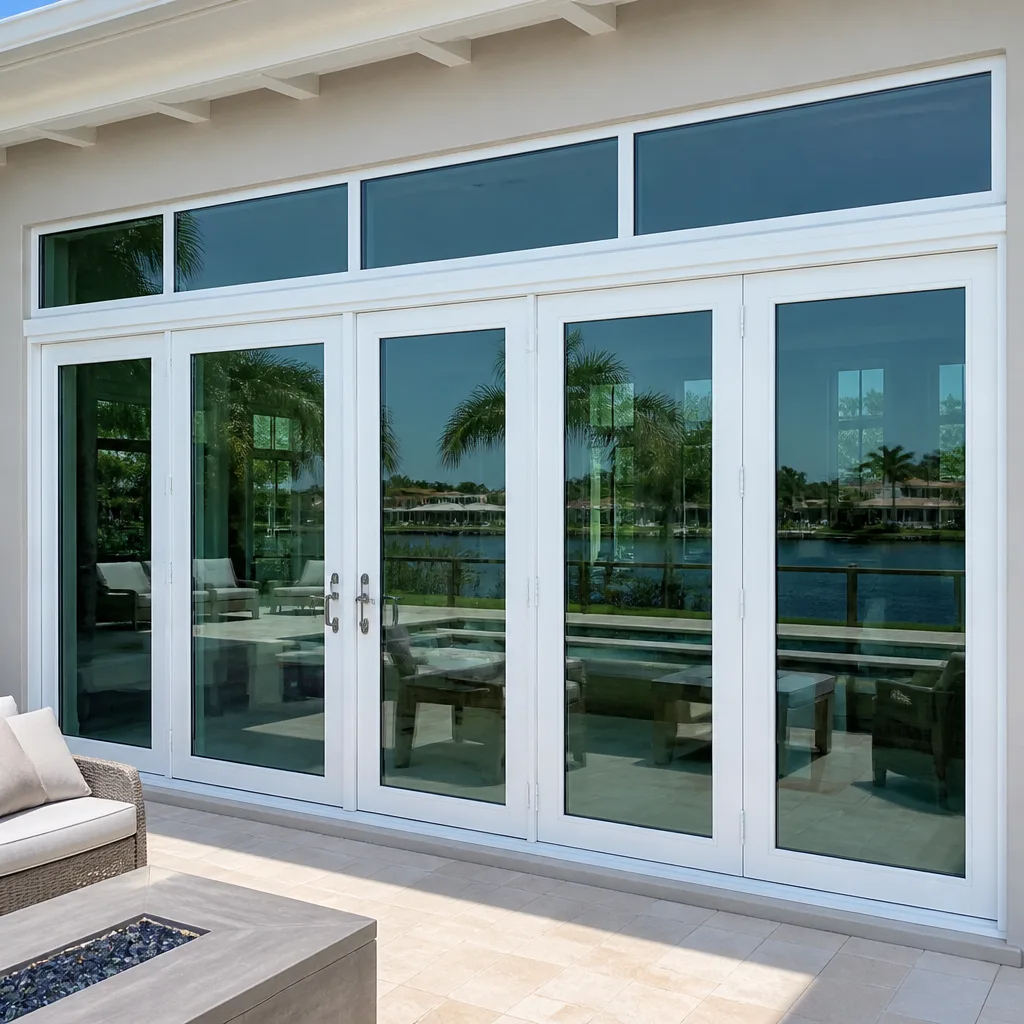 After
After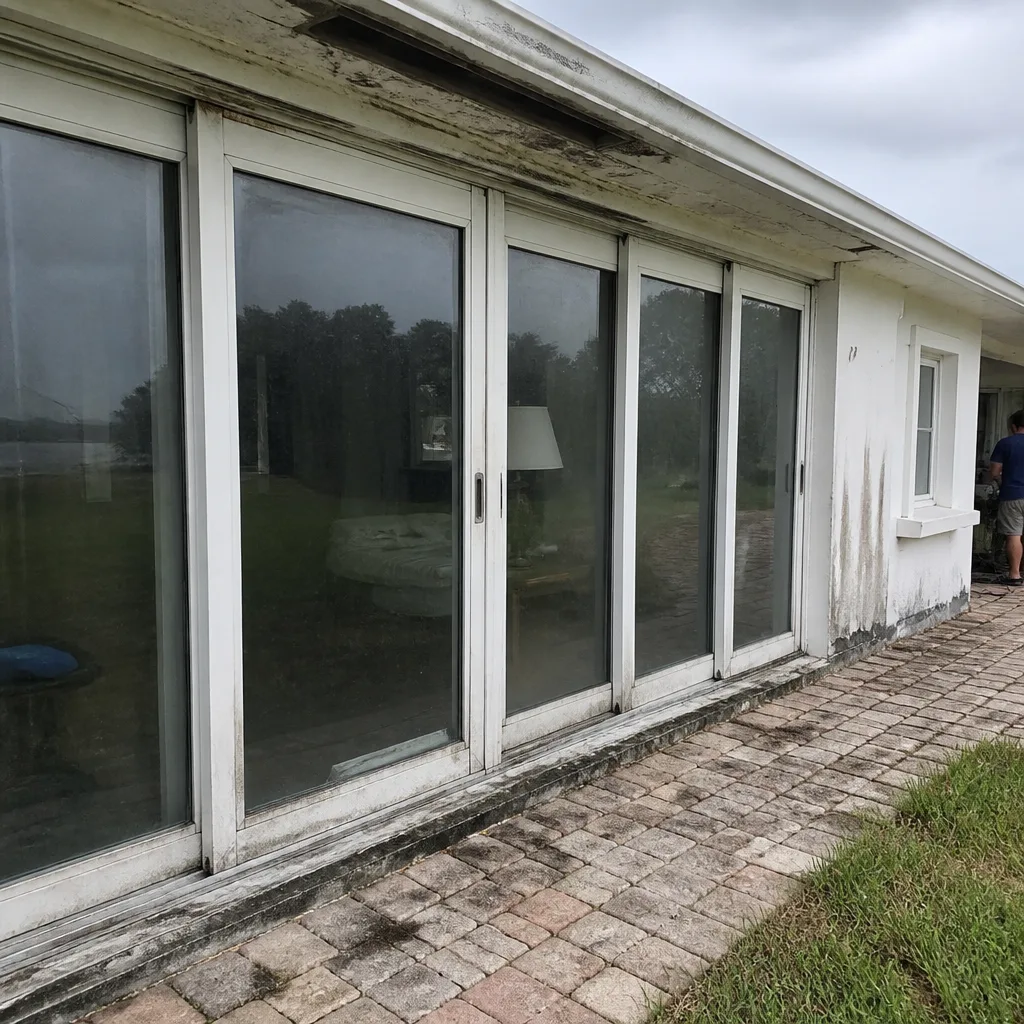 Before
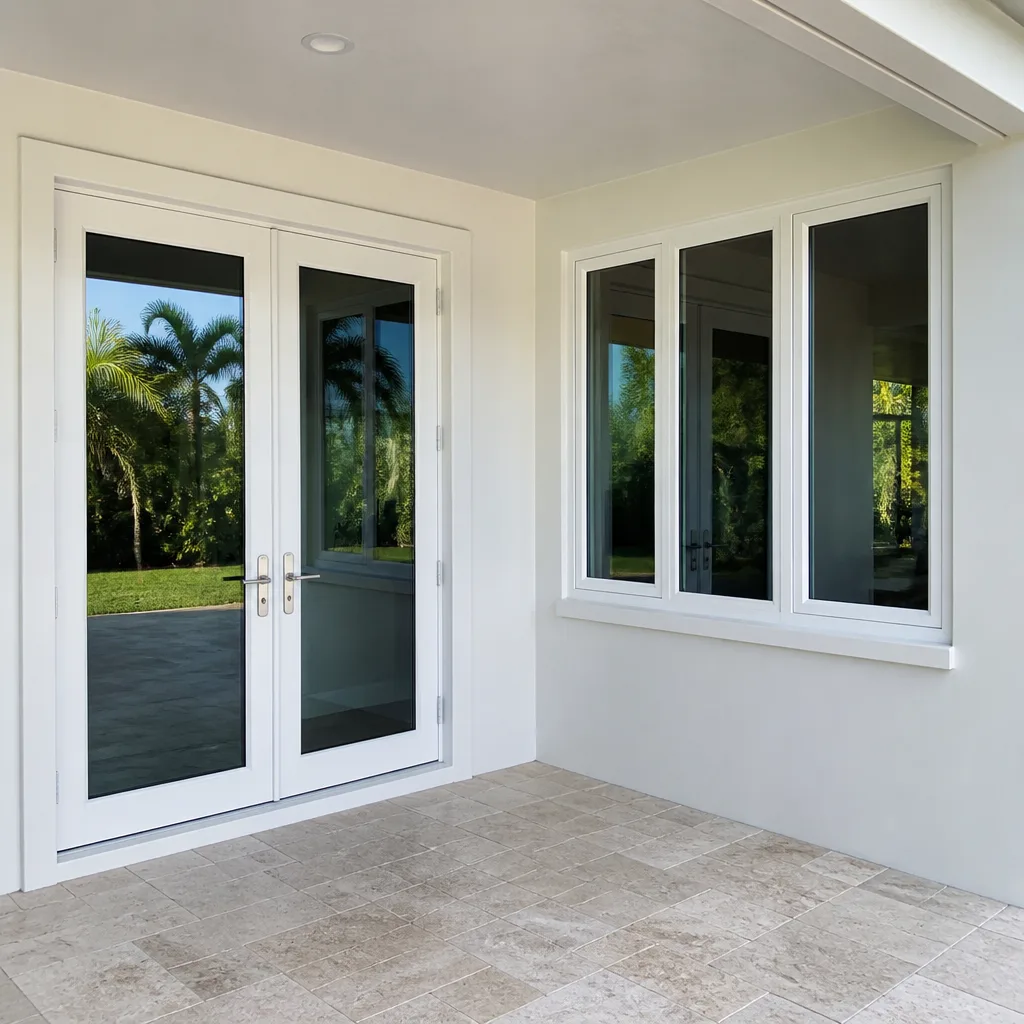 After
AfterWindows & Doors Warning Signs: A North Palm Beach Homeowner’s Reference Guide
Condensation on the interior surface of a double-pane window is not a humidity problem - it is evidence that the insulating gas seal has failed and the unit is now a single-pane window in terms of thermal and pressure performance. In a High-Velocity Hurricane Zone, a failed IGU seal is a structural concern, not an aesthetic one, because the unit may no longer meet its rated design pressure. Most window and door failures in North Palm Beach announce themselves six to eighteen months before they become emergencies, but the early signals - hairline sealant fractures, hardware resistance, condensation placement - are misread as cosmetic issues until water is already inside the wall cavity. This guide describes what each warning sign actually indicates mechanically, not just that something is wrong.
Quick Answer
The warning signs that a window or door in North Palm Beach needs professional attention include: condensation between panes of glass (failed IGU seal), water staining at the sill or head of the frame (flashing or glazing bead failure), hardware that requires excessive force to operate (hinge wear or frame settlement), visible gaps between frame and wall (anchor failure), and thermal expansion noise that has changed pitch or frequency (frame movement against the rough opening). These symptoms progress from repairable to replacement-level over 12-18 months; early documentation determines whether the fix is a $200 adjustment or a $4,000 opening replacement.
Table of Contents
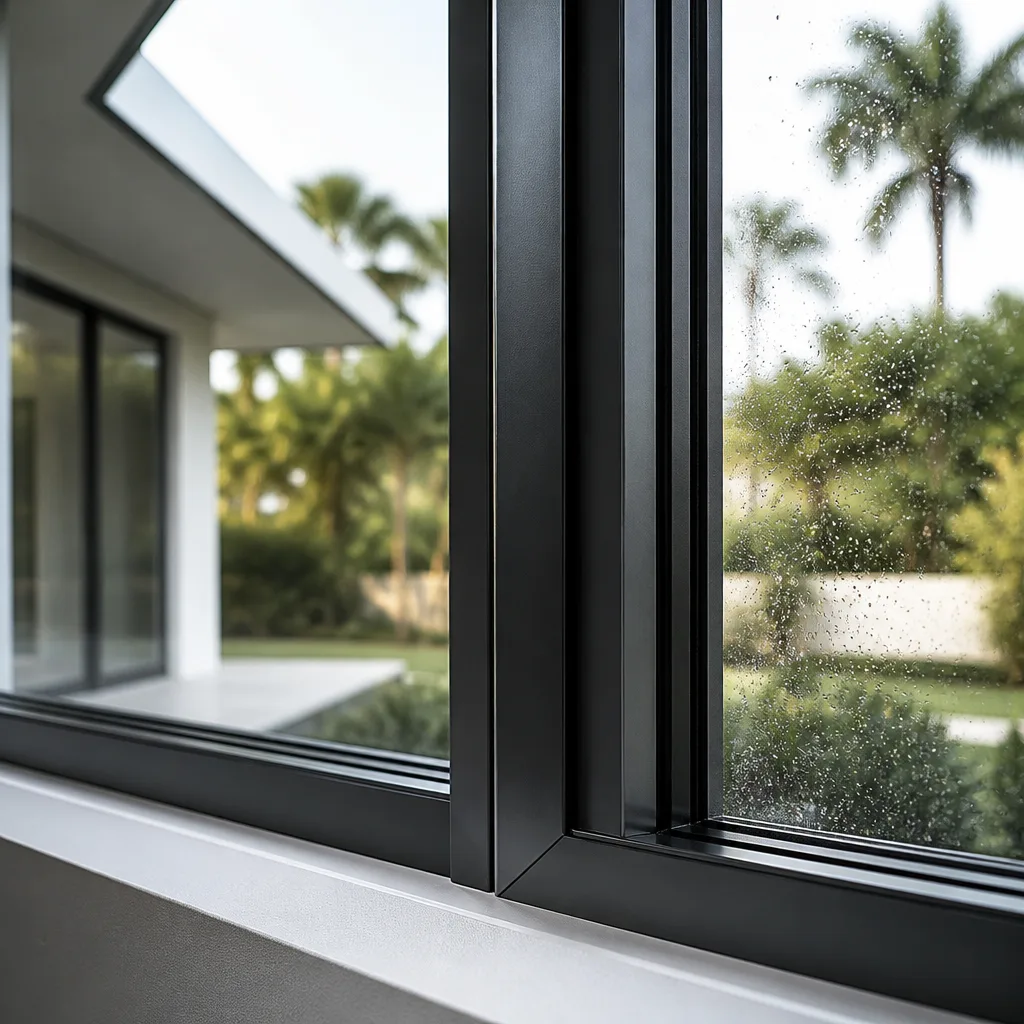
- What Condensation Location Tells You About Seal Integrity
- Sill-Level vs. Head-Level Water Staining: Two Different Entry Paths
- Distinguishing Normal Thermal Expansion From Frame Anchor Failure
- What Door Handle Resistance Indicates About Hinge Wear vs. Strike-Plate Misalignment
- How to Document Warning Signs for a Licensed Inspector
- How HVAC Pressure Differentials Mask or Miminate Window Failure
- Warning Signs Unique to Impact-Rated Units in North Palm Beach
- Common Mistakes to Avoid
- When to Call a Professional
- Frequently Asked Questions
 Before
 After
AfterWhat Condensation Location Tells You About Seal Integrity
Condensation appears on three distinct surfaces of a double-pane window, and each location indicates a different mechanical condition. Misreading the location is the most common diagnostic error we see in North Palm Beach homes, particularly in waterfront properties along the Intracoastal where humidity levels fluctuate with tide and wind direction.
Interior glass surface: This is the surface you can touch from inside the house. Condensation here indicates that the interior pane is cold enough for airborne moisture to reach dew point. The IGU (insulated glass unit) seal has failed, the argon or krypton gas has escaped, and the window is performing as a single pane. In North Palm Beach’s HVHZ (High-Velocity Hurricane Zone), this matters beyond energy bills. A failed IGU no longer provides the structural redundancy that impact-rated glazing depends upon. The inner lite cannot absorb flex stress if it is thermally coupled to the outer lite. We replace these units under the Haven Standard with documented pressure testing.
Between the panes: Fog or droplets trapped in the air space are unambiguous evidence of seal failure. The desiccant inside the spacer bar is saturated. This condition cannot be repaired; the IGU must be replaced. In our measured surveys across North Palm Beach, we note the spacer bar type - aluminum, stainless, or warm-edge - because the replacement IGU must match the thermal performance of the original specification. A CGI impact unit with a warm-edge spacer cannot accept a replacement with an aluminum spacer without altering the U-factor and potentially voiding the product approval.
Exterior glass surface: Condensation on the outside pane is actually normal in certain conditions. It occurs when the exterior glass temperature drops below the dew point of outside air, typically on clear nights with high humidity and little wind. This indicates that the low-emissivity (low-E) coating is performing correctly - reflecting interior heat back inside so effectively that the exterior pane becomes the coldest surface. In North Palm Beach, we see this most often on north-facing elevations during January and February cold fronts. It requires no action.
The diagnostic table below summarizes what each location means for repair scope:
| Condensation Location | Mechanical Meaning | Required Action |
|---|---|---|
| Interior glass surface | IGU seal failure, gas escaped | IGU replacement, pressure test |
| Between panes | Spacer bar desiccant saturated, seal breached | Full IGU replacement |
| Exterior glass surface | Low-E coating functioning, normal condition | None |
When we conduct a measured survey for window replacement in North Palm Beach, we photograph condensation location with a timestamp and compass bearing. The photo record becomes part of the written scope the customer keeps.
Sill-Level vs. Head-Level Water Staining: Two Different Entry Paths

Water staining on interior drywall or trim tells you where to look, but only if you read the elevation correctly. Sill-level staining and head-level staining have different sources, different repair scopes, and different implications for whether the window or door itself is at fault.
Sill-level staining typically indicates flashing failure at the rough opening sill or subsill drainage path obstruction. In North Palm Beach, where slab-on-grade construction is common and seasonal rain events can drop two inches in an hour, water that reaches the sill pan must exit through weep holes or a subsill dam. When weep holes are painted shut, or when the sill pan was installed without proper slope to the exterior, water backs up and enters the wall cavity. The stain you see is often the last symptom; the cavity may contain saturated insulation and beginning frame rot.
We documented this exact condition in a 2018-built home in the Prosperity Bay area. The homeowner reported a “small leak” at the bottom of a sliding door. Our measured survey found the subsill dam reversed - sloped toward the interior - and the weep system completely filled with construction debris. The repair required removing the door, reconstructing the sill pan, and reinstalling the unit. The written scope included photo documentation of each phase.
Head-level staining indicates a different failure path: glazing bead seal degradation, improper head flashing integration with the weather-resistive barrier, or - in second-story applications - reverse lapping of the WRB above the window head. Water entering at the head travels down the jambs and may appear at the sill, misleading the diagnostician. The key indicator is that the stain pattern originates at the top and widens downward, or appears at the head corners first.
In North Palm Beach’s salt-air environment, glazing bead seals degrade faster than inland markets. The UV exposure is intensified by water reflection from pools and the Intracoastal. We specify replacement beads by manufacturer - CWS, ES Windows, or ECO Window Systems each use distinct bead profiles - and we never substitute generic material for a product-specific component. Haven Clause 5 (No surprises) requires that the specified material matches what was measured.
The repair scope differs significantly:
- Sill-level: Often requires rough opening remediation, potentially structural if rot has reached the sill plate
- Head-level: Typically glazing system or flashing repair, less invasive but requires correct material specification
Both conditions should be documented with moisture meter readings at multiple depths. We include these readings in the measured survey the customer keeps.
Distinguishing Normal Thermal Expansion From Frame Anchor Failure
All window and door frames move. The question is whether the movement is constrained within the design tolerance or whether the frame has lost its anchor to the rough opening and is now moving against it. The acoustic difference is subtle but definitive once you know what to listen for.
Normal thermal expansion noise is a sharp, brief tick or crack, typically occurring within 30 minutes of sunrise or as afternoon sun shifts to a new elevation. It happens once, or in a short series, and does not recur until the next significant temperature change. The sound originates from the frame material expanding against itself - vinyl against vinyl, aluminum against thermal break - at designed slip joints. In North Palm Beach, where daily temperature swings of 15-20°F are common even in summer, this noise is expected and indicates the frame is properly installed with expansion gaps maintained.
Frame anchor failure noise is different: a lower-frequency creak or groan, often sustained, that occurs during wind loading or when the door is operated. It indicates that the frame shims have compressed, the anchor screws have backed out, or the rough opening has settled and the frame is now in bearing against it. This is structural movement, not thermal movement. The frame is no longer floating in its designed position.
The diagnostic test is simple but requires two people. One person applies gentle pressure to the frame corner while the other operates the sash or door. If the noise changes or disappears, the frame has lost anchor and is moving in the opening. If the noise continues unchanged, the source is likely hardware wear or thermal expansion at a different location.
In North Palm Beach’s HVHZ, frame anchor failure has implications beyond noise. A frame that moves in the rough opening during a design pressure event may not transfer wind load correctly to the wall structure. The product approval for the window or door assumes proper anchorage; compromised anchorage means the assembly may not perform to its rated capacity.
We address this in our window installation in North Palm Beach by specifying anchor type, embedment depth, and torque value in the written scope. The customer receives this document before work starts. The photo record at completion includes anchor verification shots.
What Door Handle Resistance Indicates About Hinge Wear vs. Strike-Plate Misalignment
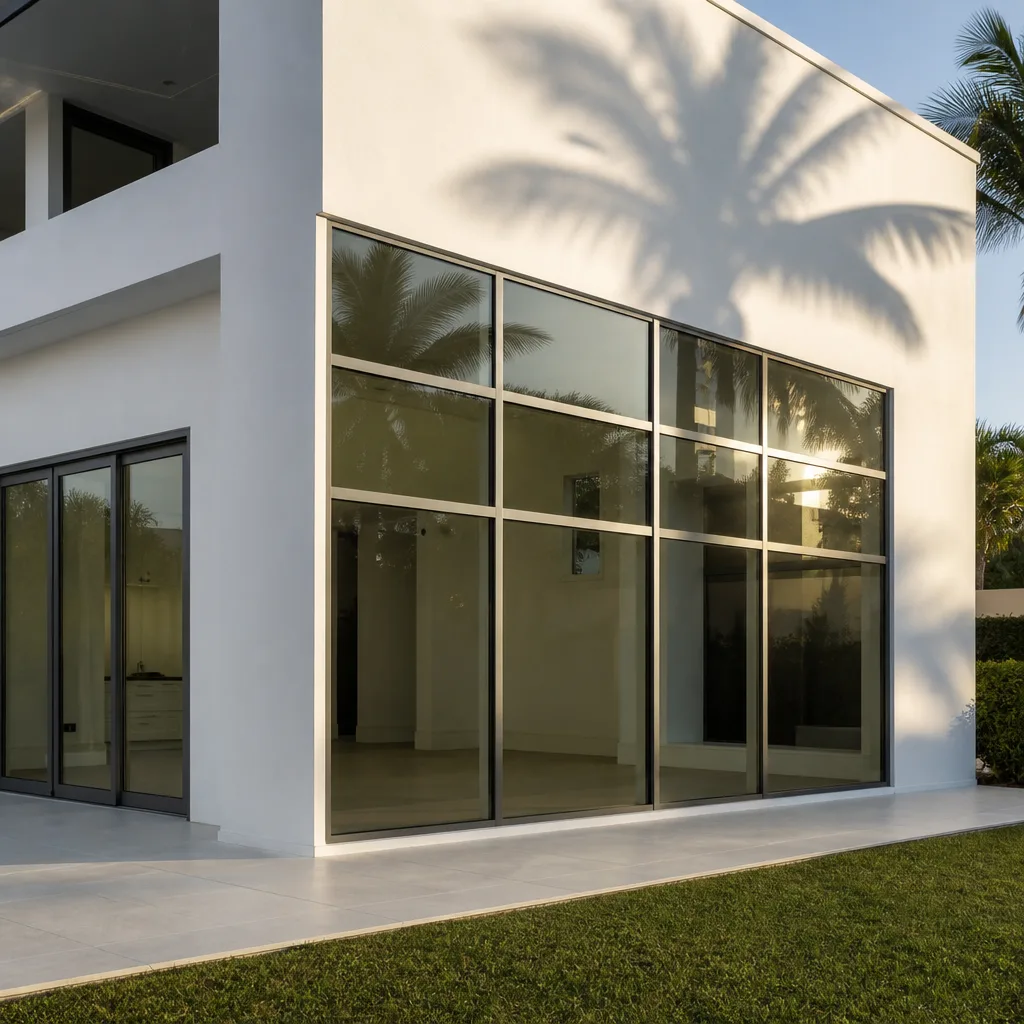
A door that requires lifting the handle to latch, or that needs shoulder pressure to compress the weatherstrip, is communicating a specific mechanical condition. The fix ranges from a 10-minute adjustment to full hinge replacement, and the difference depends on which component has actually failed.
Hinge wear manifests as vertical drop of the door slab relative to the frame. The door appears lower at the handle side than at the hinge side. The latch bolt now strikes below the strike plate, requiring upward lift to align. The root cause is hinge barrel wear or screw elongation in the hinge leaf. In North Palm Beach’s salt air, hinge screws in exterior doors corrode and elongate their holes over 5-7 years, even in stainless hardware. The door’s weight, amplified by impact-rated slab mass, accelerates this wear.
Hinge wear does not self-correct. The repair requires hinge replacement or screw repair with epoxy-filled dowels, followed by re-hanging to proper clearance. We specify hinge grade and screw material in our written scope - typically 316 stainless for coastal exposure - and we document the before-and-after gap measurements with feeler gauges.
Strike-plate misalignment manifests differently: the latch bolt meets the plate but requires extra force to compress the weatherstrip enough for the bolt to engage. The door has not dropped; the strike plate has shifted due to frame settlement or initial installation error. This condition sometimes self-corrects seasonally as humidity swells the jamb, then returns in dry months. In North Palm Beach’s climate, seasonal humidity variation is less extreme than northern markets, so persistent misalignment usually indicates installation error rather than normal cycling.
The adjustment is straightforward - remove, reposition, and reinstall the strike plate - but it must be done without enlarging the screw holes, which would compromise future adjustment. We use a transfer punch to mark new locations and document the repositioning dimension in the photo record.
A third condition, frame racking, can mimic both. If the door frame is no longer square in the rough opening, the door slab binds at the header or strike jamb. This requires frame shimming or, in severe cases, frame replacement. Our measured survey includes diagonal frame measurements to 1/16-inch tolerance; any racking beyond 1/8 inch is flagged in the written scope.
How to Document Warning Signs for a Licensed Inspector
Memory is not evidence. When a window or door failure progresses to an insurance claim, code enforcement interaction, or dispute with a builder, the homeowner who has documented the warning sign progression with timestamps, measurements, and reference objects has a decisive advantage. We teach this documentation method because we have seen it determine whether a claim is paid or denied.
- Photograph the overall condition. Include the full frame and adjacent wall area. Place a tape measure or known-size object (ruler, coin) in the frame for scale. Enable timestamp in camera settings or use a photo app that embeds GPS and time.
- Photograph the specific symptom at maximum detail. For condensation, show the droplet pattern and, if possible, the angle that reveals whether it is interior, between panes, or exterior. For staining, show the stain boundary and any efflorescence or paint bubbling.
- Record environmental conditions. Note outdoor temperature, indoor humidity if known, wind direction and speed, and recent weather events. In North Palm Beach, a stain that appears only after easterly winds above 15 mph indicates a different failure path than one that appears after any rain.
- Measure and record operability. For doors, note the force required to latch using a simple fish scale or subjective scale (one finger, whole hand, shoulder). For windows, note whether the sash locks engage fully or partially.
- Document any previous repairs. Photograph caulk lines, replaced hardware, or patch areas. These indicate where previous attempts addressed symptoms rather than causes.
- Compile in chronological order. A single folder with dated photos, each with a brief text note, creates a record that any inspector or adjuster can follow without interpretation.
We provide this documentation standard to every door installation in North Palm Beach customer as part of our measured survey. The photo record on every visit, required by Haven Clause 4 (Evidence on every job), means the customer already has professional documentation if a condition develops later.
How HVAC Pressure Differentials Mask or Mimic Window Failure
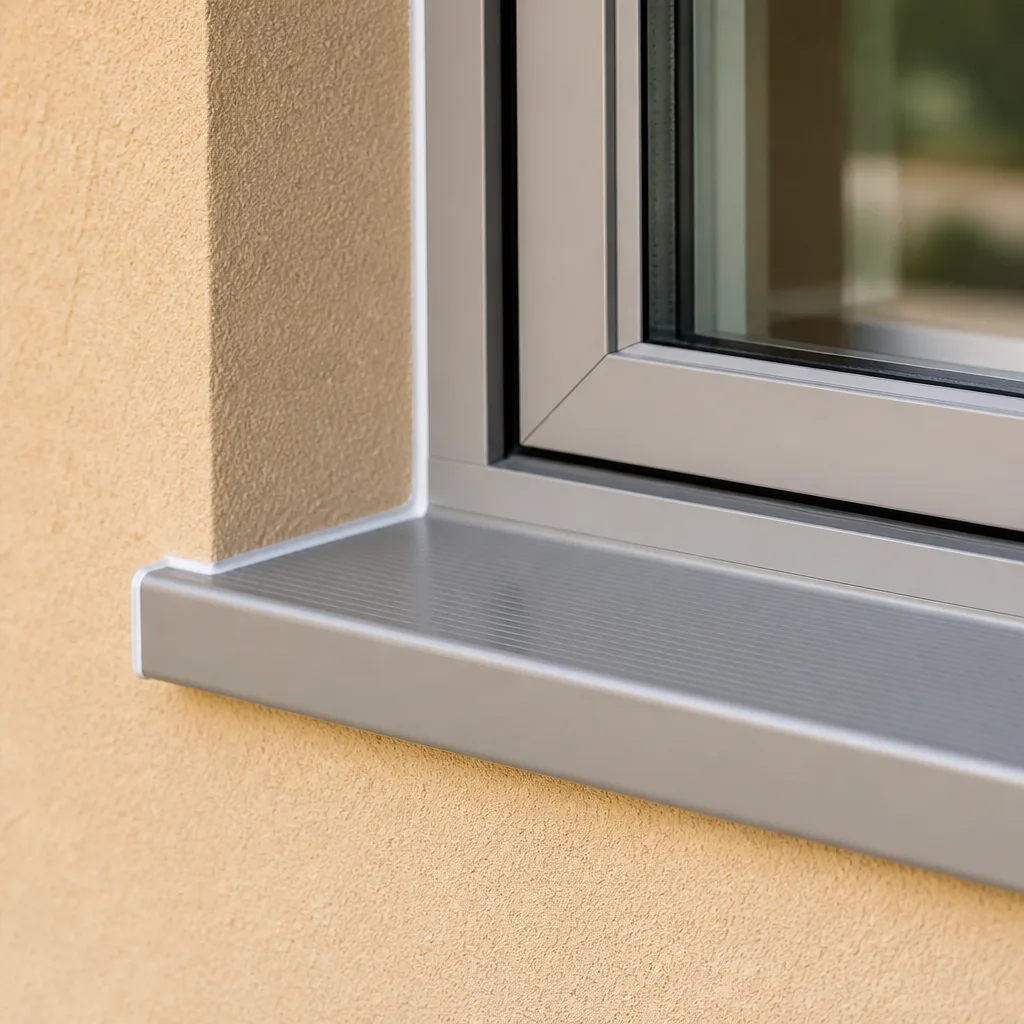
North Palm Beach homes built since 2015 often have tightly sealed envelopes and balanced HVAC systems with dedicated fresh air intake. When that balance shifts - due to filter loading, damper malfunction, or improper commissioning - pressure differentials between rooms can pressurize or depressurize window cavities. The symptoms look like window failure but originate in the mechanical system.
Positive pressure in a room forces conditioned air through any available gap. If the window weatherstrip is intact, the air may exit through the weep system or around the frame perimeter, carrying interior humidity that condenses on the exterior frame surface. Homeowners mistake this for window leakage. The correct diagnostic is to measure room pressure relative to outdoors with a manometer; readings above 5 Pascals indicate HVAC imbalance.
Negative pressure pulls humid exterior air into wall cavities. If the window frame is properly sealed to the WRB, this air may not enter the living space. But if the frame seal has any gap, the negative pressure will draw air through it, often carrying pollen and salt that stain the interior trim. The window appears to be leaking, but the water source is interior condensation of humid exterior air, not bulk water intrusion.
We encountered this exact condition in a 2021 home in the Seminole Landing area. The homeowner reported “window leaks” at three south-facing units after heavy rain. Our measured survey found dry frame cavities, intact flashing, and room pressures of -12 Pascals due to a stuck return damper. The HVAC contractor corrected the damper; the symptoms resolved without window work. We provided the pressure readings and written scope at no charge under our Free Second Opinion on Any Written Estimate.
This is why our surveys include a brief pressure differential check when symptoms suggest it. The Haven Standard requires that we find the actual cause, not the expected one.
Warning Signs Unique to Impact-Rated Units in North Palm Beach
North Palm Beach lies within the High-Velocity Hurricane Zone as defined by the Florida Building Code. Impact-rated windows and doors are not optional here; they are code-required for most openings. The warning signs that an impact-rated unit has degraded are specific to the laminated glass and reinforced frame construction that distinguishes these products from standard units.
Laminate delamination appears as a hazy or iridescent area at the glass edge, progressing inward. The interlayer between glass lites is separating from the glass surface, typically due to edge exposure to solvents, prolonged ponding water, or manufacturing defect. Delaminated laminate no longer provides the post-breakage retention that impact rating depends upon. A unit with visible delamination requires replacement, not repair, because the laminate cannot be re-bonded in the field.
Frame corner separation in vinyl impact frames indicates that the internal steel or aluminum reinforcement has corroded and expanded, forcing the vinyl joint apart. This is more common in white or light-colored frames where UV reflectors in the vinyl compound break down faster. In North Palm Beach’s sun exposure, we see this primarily on west and south elevations after 8-10 years. The frame has lost its structural integrity and must be replaced.
Corrosion at weep slots in aluminum impact frames indicates that the thermal break material has degraded and is allowing galvanic corrosion at the weep location. This progresses to frame perforation and is often first visible as white or gray powder at the weep exit. We specify replacement frames with upgraded thermal break material - CWS and ES Windows both offer enhanced coastal formulations - and we document the original and replacement specifications in the photo record.
Missile-impact damage from landscape debris or roof gravel may not break the glass but can star the surface or damage the laminate. Any star deeper than 0.030 inch compromises the unit’s ability to resist the large-missile test in a subsequent storm. We assess these with a pit gauge and include the reading in the written scope.
The product lines we specify for Sightline Windows & Doors North Palm Beach home installations - including CWS, ES Windows, and ECO Window Systems - are selected by performance tier and price range for each opening’s exposure and structural requirement, not by what is in stock.
Common Mistakes to Avoid
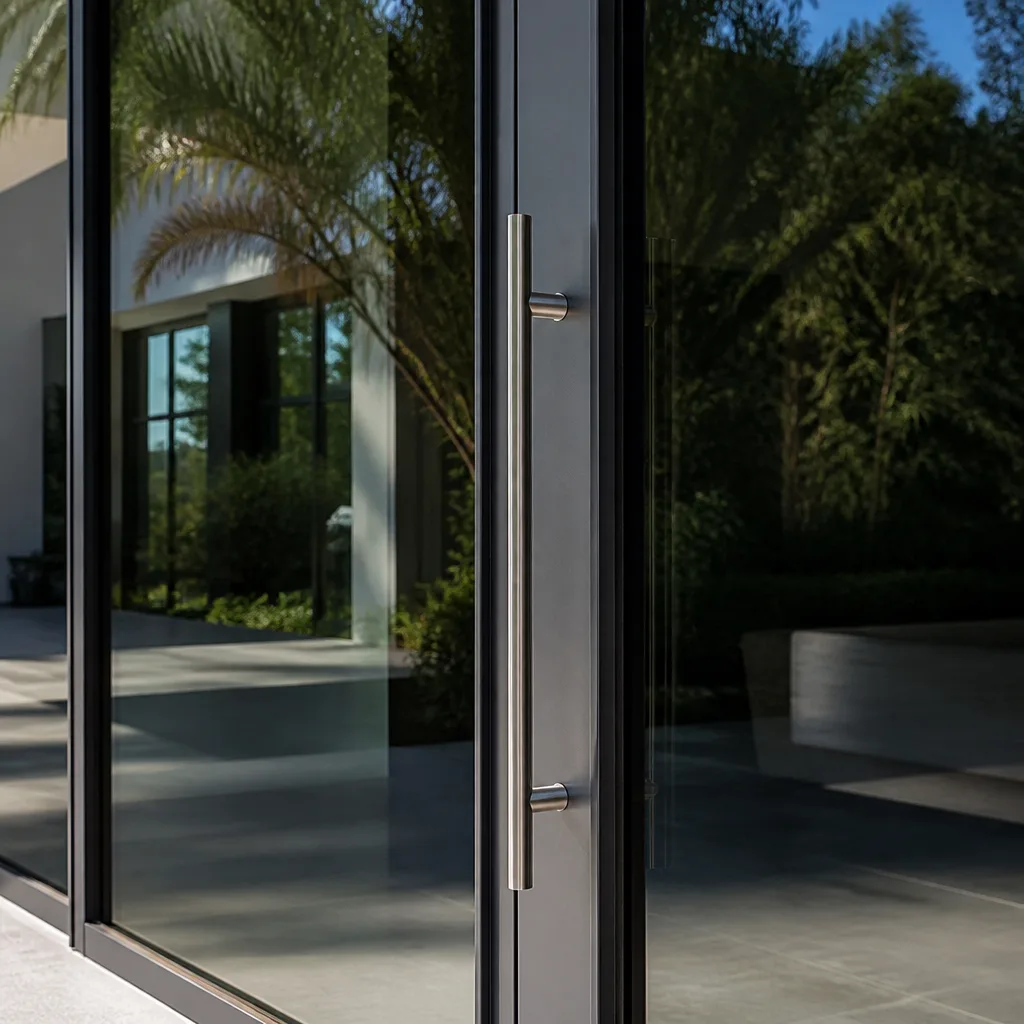
- Applying silicone caulk over failing sealant. In North Palm Beach’s humidity, silicone over polyurethane or butyl creates a bond failure within one season. The underlying sealant continues to degrade, and the silicone traps water. Remove old sealant completely before resealing.
- Assuming all condensation means replacement. Exterior surface condensation is normal low-E performance. Replacing a functioning unit wastes money and destroys the documented pressure rating history of the opening.
- Ignoring seasonal patterns. A symptom that appears only in January or only during easterly winds has a specific cause. Documenting the pattern correctly leads to the right fix; treating it as random leads to repeated unsuccessful repairs.
- Accepting a verbal scope without written price. Haven Clause 1 exists because verbal scopes change. In North Palm Beach’s active real estate market, some contractors optimize for speed over accuracy. The written price before any work starts protects both parties.
- Photographing without scale or timestamp. A photo of “water damage” without measurement reference or date is inadmissible in most disputes. Enable camera metadata, include a ruler, and organize chronologically.
- Confusing hinge wear with frame settlement. Replacing hinges on a settled frame wastes the hardware; the door will re-sag within months. Measure frame squareness before specifying hardware.
- Neglecting to verify impact rating on replacement units. Non-impact units installed in HVHZ openings violate code and void insurance coverage. Verify the product approval number and mark it on the written scope.
When to Call a Professional
Call a licensed window and door contractor when: condensation appears between panes; water staining persists after caulk replacement; a door or window requires increasing force to operate; you hear new or changed frame noise during wind events; or you are preparing to sell and need documented condition of all openings. Not sure how to choose one? Read How to Hire a Windows & Doors Contractor in North Palm Beach: A Step-by-Step Guide before you call. In North Palm Beach’s HVHZ, any uncertainty about impact rating integrity is reason for professional assessment.
Sightline Windows & Doors North Palm Beach offers free estimates in North Palm Beach - call (561) 475-1246. Every estimate includes a measured survey you keep, a written price before any work starts, and documentation of findings. For more guides & resources on protecting your home, visit our blog. We also provide a Free Second Opinion on Any Written Estimate from another contractor.
Frequently Asked Questions
Window replacement in North Palm Beach typically ranges from $800 to $2,400 per opening for standard sizes, depending on frame material, glazing specification, and whether the unit is impact-rated. Large or custom geometric units, and openings requiring rough opening reconstruction, run higher. Call (561) 475-1246 for an exact quote - estimates are free, and the written price we provide is the price you pay.
No. Haven Clause 1 of the Haven Standard requires that the measured survey and the written quote are the same document. If we encounter concealed damage during installation, we document it, stop work, and present a revised scope with a new written price before proceeding. The original written price cannot change without your written approval of a new scope.
Yes. All impact-rated window and door replacements in Palm Beach County require building permits and inspection. We pull permits as standard practice, include the permit number in your written scope, and schedule inspections. The photo record at completion includes inspector sign-off documentation.
Most residential window replacements in North Palm Beach are completed in one to three days, depending on opening count and whether rough opening repair is required. We specify the schedule in the written scope and arrive on schedule per Haven Clause 2. Delays due to weather or inspection scheduling are communicated by text or call, not by silence.
If any aspect of our installation is not done right, we make it right - written into the Haven Standard, not offered as a courtesy. This covers operation, weather tightness, and finish integrity. Claims are handled by the same team that performed the installation, with the original photo record and written scope as reference.
Check for the permanent label on the frame or glass edge showing the product approval number, manufacturer, and design pressure rating. If the label is painted over, damaged, or missing, the unit may still be rated but cannot be verified by inspection. We can identify the manufacturer and approval status during our measured survey and document it in the photo record. In North Palm Beach’s HVHZ, unverified units should be treated as non-compliant for insurance and resale purposes.
The Bottom Line
Window and door failures in North Palm Beach provide clear mechanical signals six to eighteen months before they become emergencies. The location of condensation, the elevation of water staining, the character of frame noise, and the feel of hardware operation each indicate a specific condition with a specific repair scope. Documenting these signs correctly - with timestamps, measurements, and scale references - determines whether you address a $200 adjustment or replace a $4,000 opening. The homeowners who avoid emergency repairs are those who read the early signals accurately and act on them with documented evidence.
Written by Sonia Raman, Owner at Sightline Windows & Doors North Palm Beach, serving North Palm Beach since 2012.