
Last updated September 24, 2026
Free in-home measure and quote - PGT, CGI and CWS impact lines compared on your actual openings, style by style
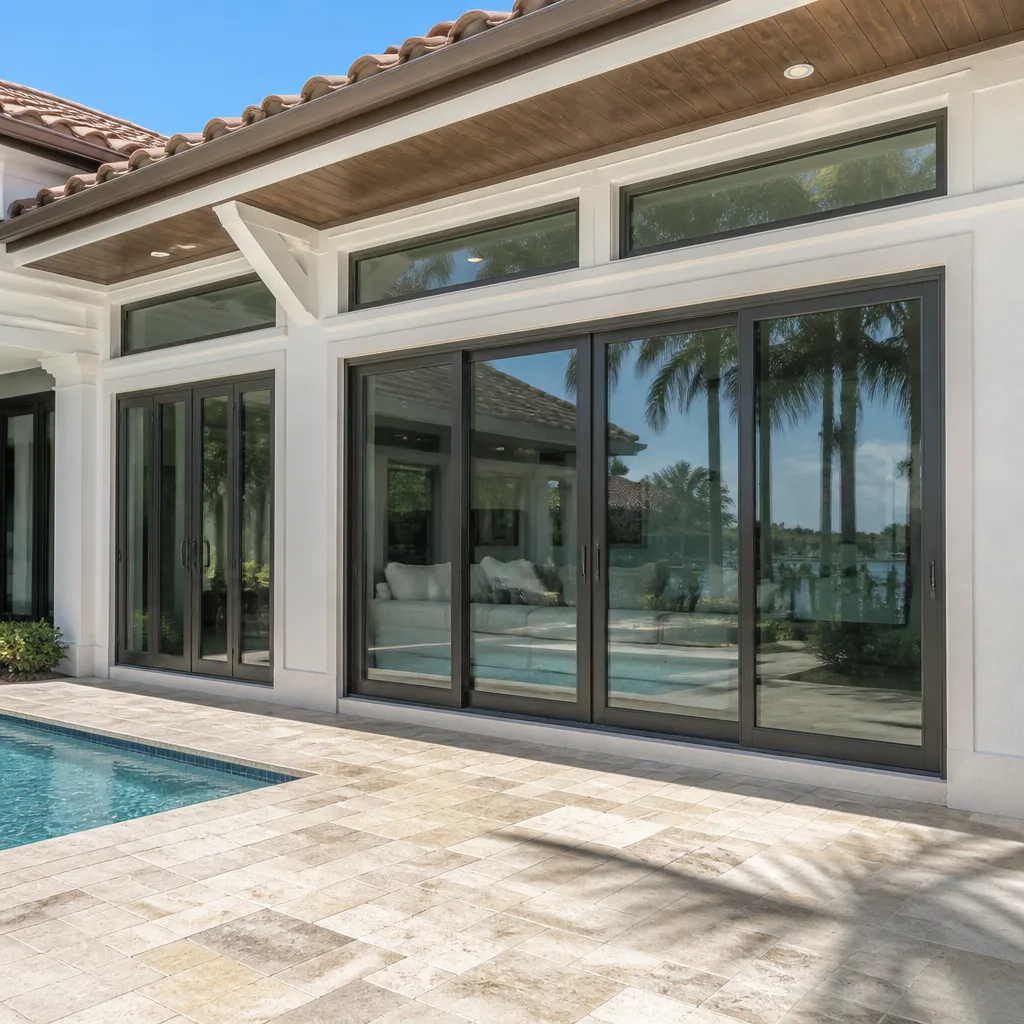
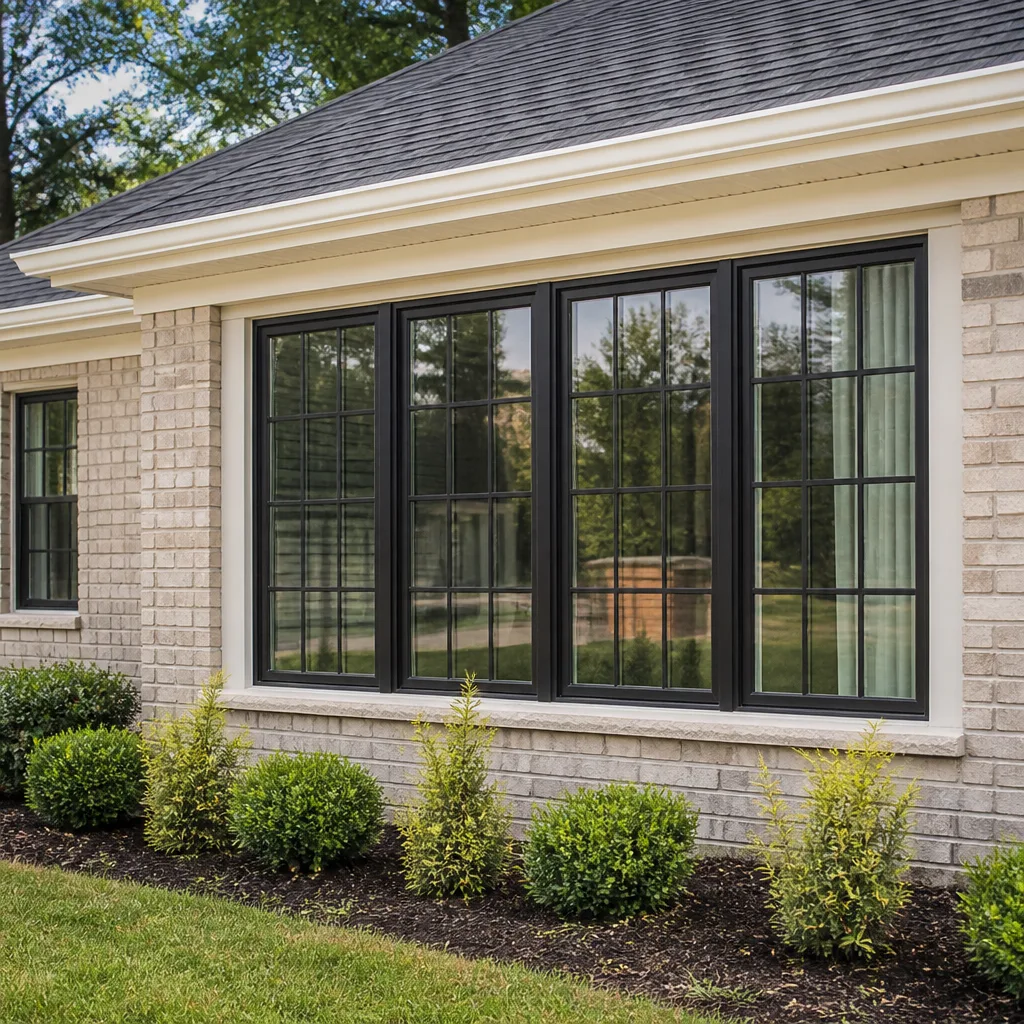
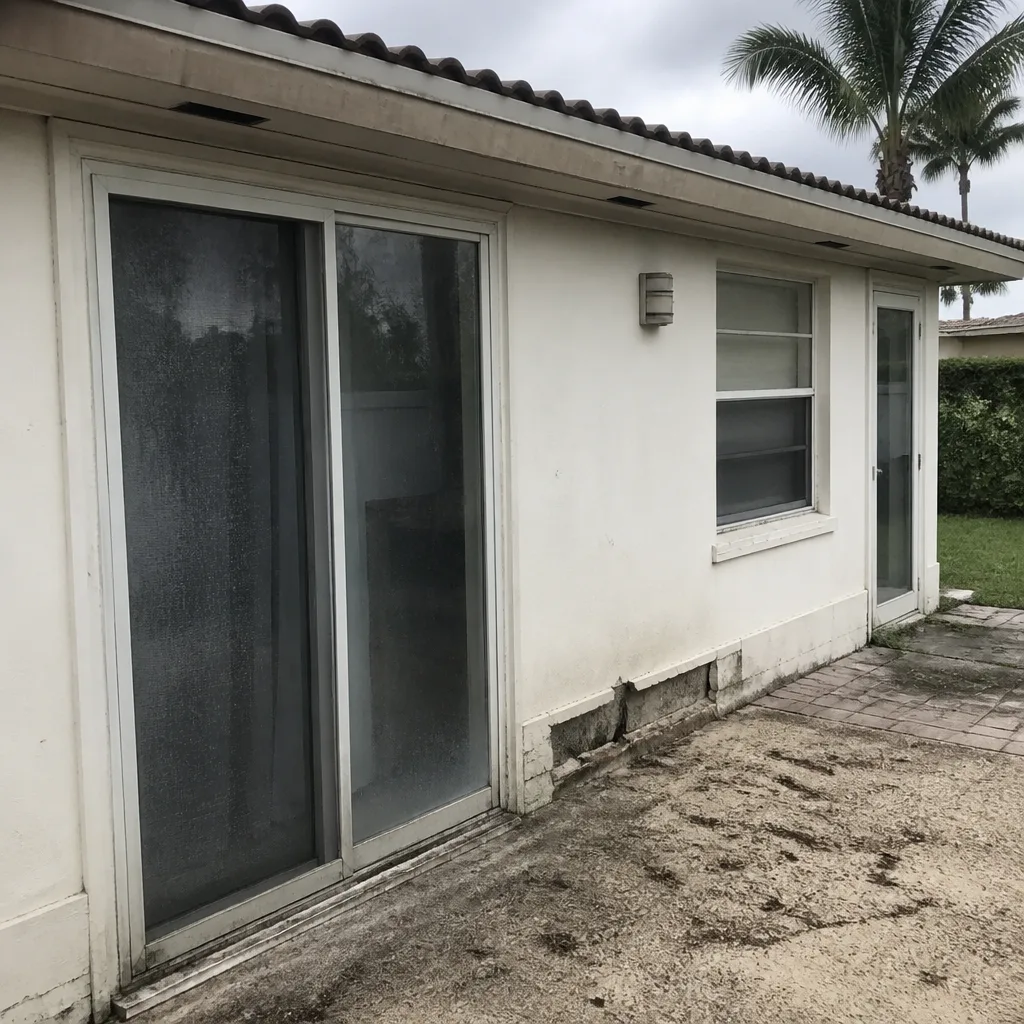 Before
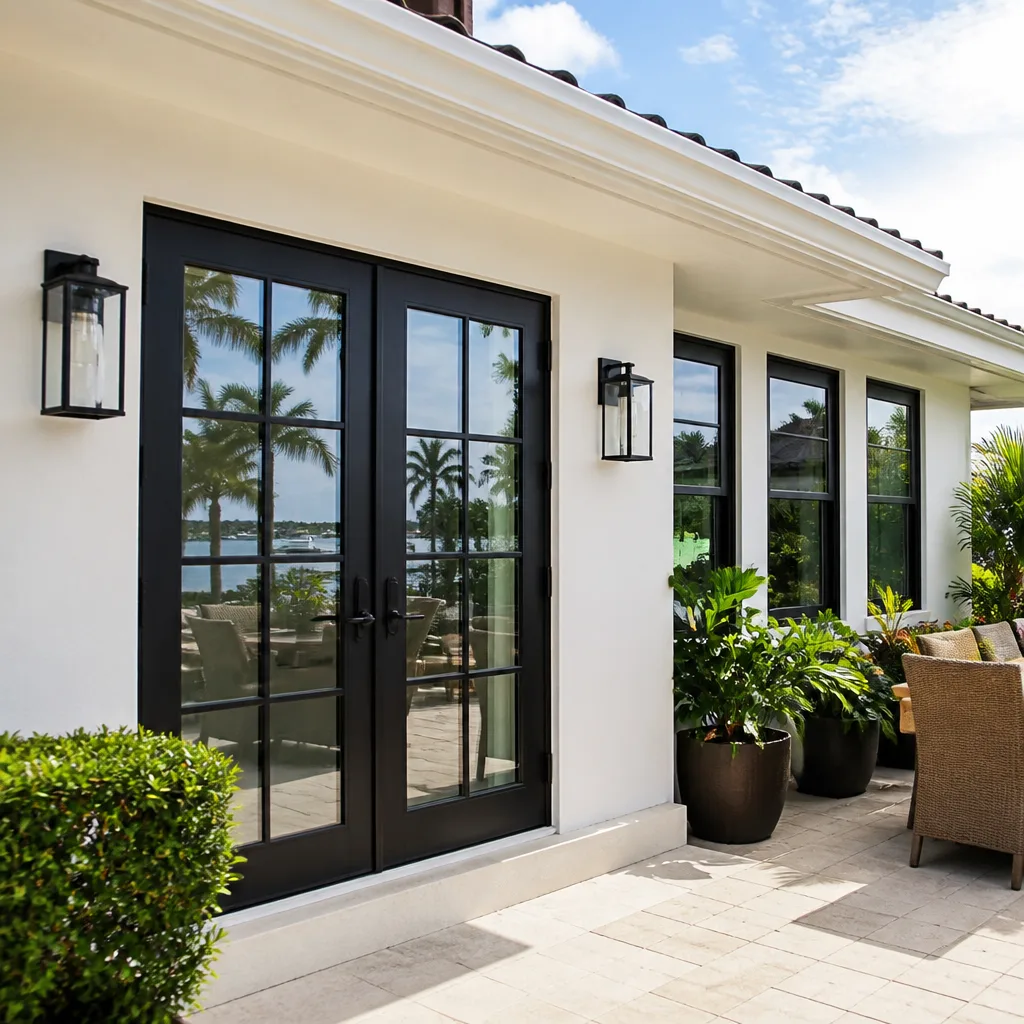 After
After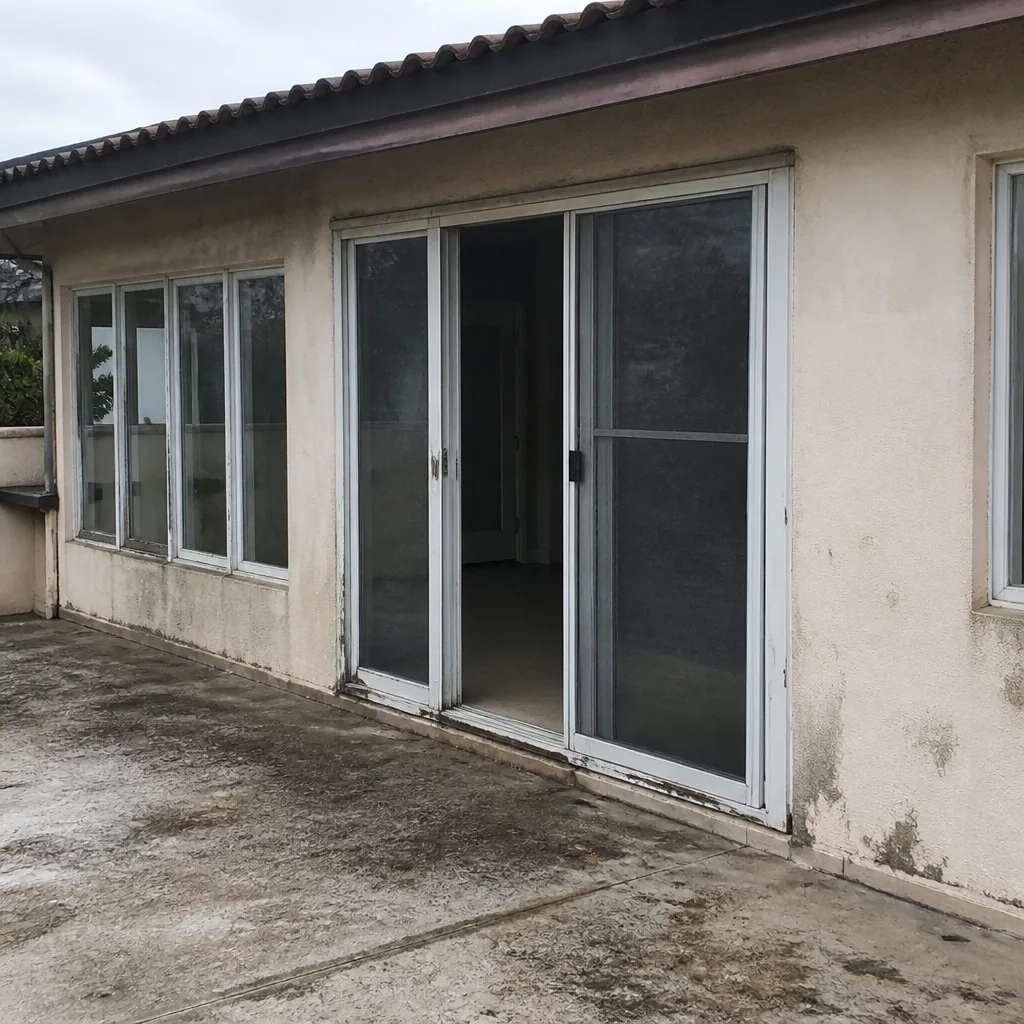 Before
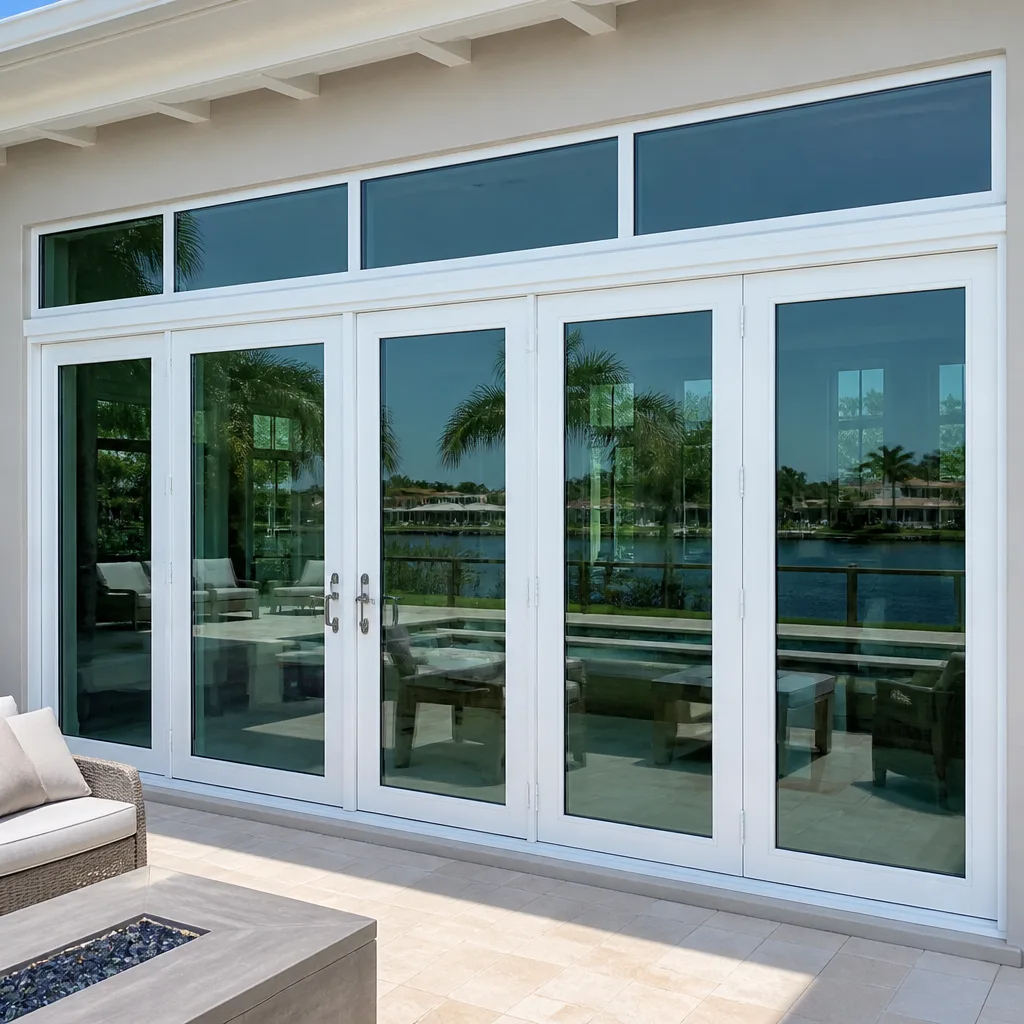 After
After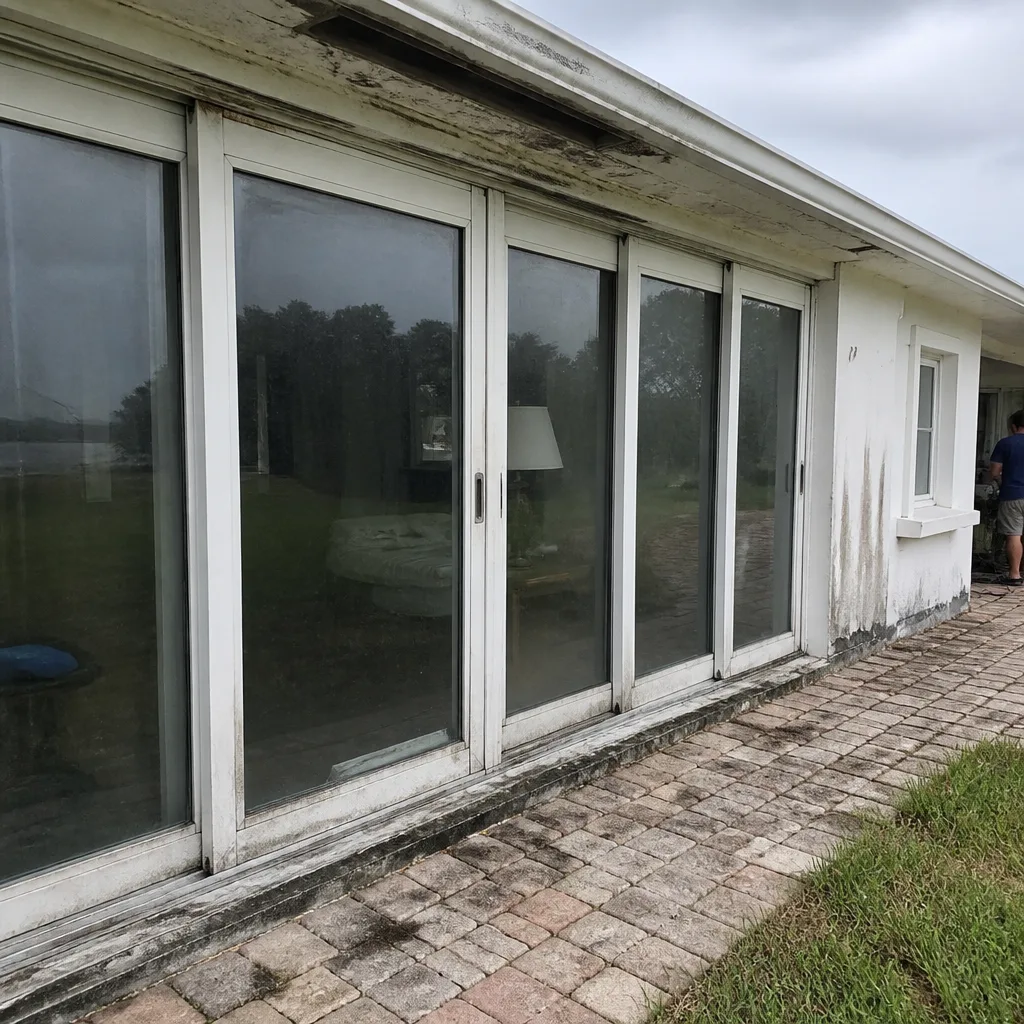 Before
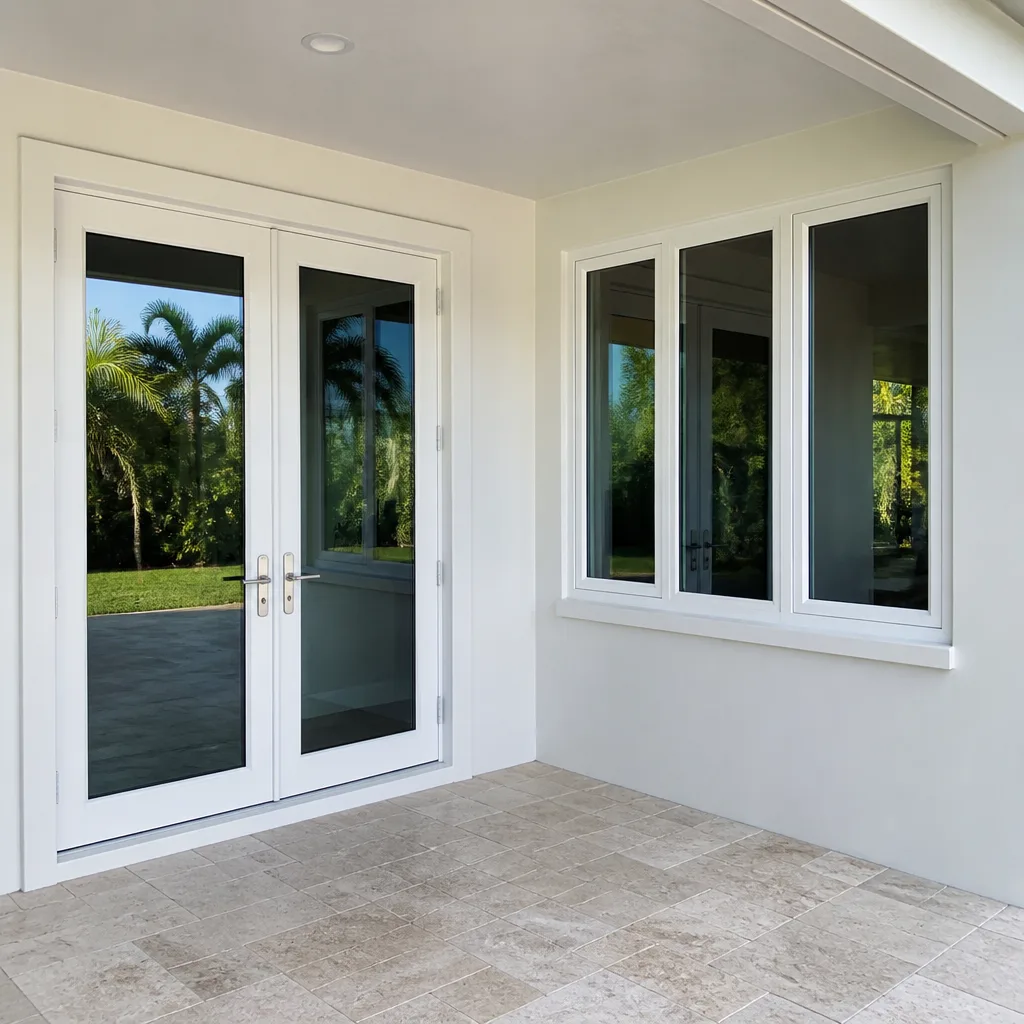 After
AfterThe Complete Guide to Windows & Doors in North Palm Beach
Most North Palm Beach homeowners discover their new windows aren’t code-compliant after the county inspection fails, not before the check clears. The county’s High-Velocity Hurricane Zone mandate applies to every opening, and “impact-rated” on a product label doesn’t automatically satisfy the specific design-pressure rating your address requires. In this guide and our more guides & resources, we’ll map the technical constraints that govern every window and door decision in North Palm Beach, from looking up your parcel’s wind-load requirement to reading a window schedule and vetting an installer’s documentation. You’ll learn how to verify compliance before you sign, not after you argue.
Quick Answer
Choosing windows and doors in North Palm Beach requires matching every opening to your parcel’s specific design-pressure rating under Palm Beach County’s High-Velocity Hurricane Zone rules, selecting products with either Miami-Dade NOA or Florida Product Approval that explicitly covers your address, and verifying your installer’s documentation includes a measured survey, written scope, and photo record before work begins. The wrong combination of frame material, glazing specification, or approval document can fail inspection even when the window itself is labeled “impact-rated.”
Table of Contents
- Understanding HVHZ Requirements in North Palm Beach
- How to Look Up Your Parcel’s Design-Pressure Requirement
- Miami-Dade NOA vs. Florida Product Approval: What North Palm Beach Enforces
- Frame Materials and Salt-Air Corrosion in North Palm Beach
- How to Read a Window Schedule on Architectural Drawings
- What a Legitimate Measured Survey Looks Like
- Selecting Products by Performance Tier and Price Range
- Vetting an Installer: Documentation Standards
 Before
 After
AfterUnderstanding HVHZ Requirements in North Palm Beach
North Palm Beach sits entirely within Palm Beach County’s High-Velocity Hurricane Zone, or HVHZ. This isn’t a zoning designation you can appeal. It means every new window, door, and garage door installation must withstand sustained wind speeds and missile impacts that exceed the requirements for most of the continental United States.
The HVHZ boundary was drawn after Hurricane Andrew in 1992, and it covers all coastal construction from Broward County north through Palm Beach County. For North Palm Beach homeowners, this translates to a specific set of rules:
- Every exterior opening requires impact-rated protection or a documented alternative approved by the local building official
- Design-pressure ratings vary by parcel based on exposure, height, and proximity to open water
- Installation methods are specified in the product approval, not left to the contractor’s discretion
- Post-installation inspection includes verification that the installed unit matches the approval documents
We’ve seen homeowners in the Village of North Palm Beach assume that buying windows at a national retailer and hiring a handyman satisfies these requirements, a dilemma explored in our DIY vs Professional Windows & Doors: The North Palm Beach Homeowner’s Decision Guide. It doesn’t. The product must carry approval for your specific application, and the installation must follow the exact fastening pattern, sealant specification, and flashing detail shown in that approval document.
The design-pressure rating, abbreviated DP, measures the structural load a window or door can withstand. A DP-50 rating means the unit was tested to 75 pounds per square foot of pressure. In North Palm Beach, we’ve seen requirements range from DP-45 for single-story inland parcels to DP-70 or higher for waterfront homes on the Intracoastal Waterway or near Lake Worth Lagoon. The only way to know your requirement is to look it up, which we’ll cover in the next section.
One detail competitors rarely mention: the HVHZ rules apply to replacements, not just new construction. If you’re swapping a 1980s sliding glass door for a modern unit, the new door must meet current HVHZ standards. The grandfathering that applies to some electrical or plumbing work does not apply to wind-borne debris protection.
How to Look Up Your Parcel’s Design-Pressure Requirement
Before you request a single quote, you can determine your parcel’s design-pressure requirement using free public tools. This step takes ten minutes and eliminates the most common source of post-installation disputes: a window that is impact-rated but not rated highly enough for your specific address.
- Find your parcel on the Palm Beach County Property Appraiser portal. Navigate to pbcgov.com/papa and search by address. The record will show your parcel ID, flood zone, and property class.
- Download the Flood Insurance Rate Map (FIRM) panel for your area. The FEMA Map Service Center (msc.fema.gov) hosts these. Your flood zone designation, AE or VE, affects the base flood elevation and can influence wind-load calculations for waterfront parcels.
- Use the ASCE 7-16 wind speed map for Palm Beach County. The basic wind speed for North Palm Beach is 170 mph for Risk Category II structures, which covers single-family homes. This is the starting point, not the final answer.
- Calculate exposure category. Exposure B applies to most inland North Palm Beach neighborhoods with suburban development. Exposure C applies within 1,500 feet of open water or shorelines, including homes along the Intracoastal, Lake Worth Lagoon, or the golf course lakes in the Village. Exposure D applies to direct oceanfront, which North Palm Beach does not have.
- Apply the height and area adjustments. A two-story home in Anchorage Park with Exposure C will have a higher design-pressure requirement than a single-story ranch in Juno Isles with Exposure B. The exact calculation requires the mean roof height and the effective wind area of each opening.
- Cross-reference with the Florida Building Code, 7th Edition (2020). Table R301.2.1.3 provides the pressure conversion. Most North Palm Beach homes fall between +30/-40 psf and +45/-55 psf, which corresponds to DP ratings of 45 to 60.
Here’s what this looks like in practice. A home on Lighthouse Drive near the North Palm Beach Country Club sits roughly 800 feet from the Intracoastal Waterway. The exposure category is C, the mean roof height is 22 feet, and the effective wind area for a typical bedroom window is about 20 square feet. The resulting design-pressure requirement is approximately +37.5/-45.0 psf, which rounds to a DP-50 rating minimum. A salesperson who quotes DP-35 windows for this opening is selling product that will not pass inspection.
At Sightline Windows & Doors North Palm Beach home, we run this calculation during our measured survey and document the result on the scope sheet the customer keeps. Haven Clause 1 requires the written price and the technical specification to travel together.
Miami-Dade NOA vs. Florida Product Approval: What North Palm Beach Enforces
Two approval systems govern impact-rated products in Florida, and North Palm Beach enforces one of them at the county level. Understanding the difference prevents a common and expensive mistake: buying a product with the wrong approval document for your jurisdiction.
Miami-Dade Notice of Acceptance (NOA) is issued by the Miami-Dade County Product Control Division. It is the stricter standard, with more extensive missile-impact testing and higher cycling requirements. NOA products are accepted throughout Florida, including Palm Beach County, but they are required only in Miami-Dade and Broward counties.
Florida Product Approval is issued by the Florida Department of Business and Professional Regulation. It uses the test protocols in TAS 201, 202, and 203 or ASTM E1886 and E1996. Products with Florida Product Approval are accepted in all Florida jurisdictions, including Palm Beach County, provided the approval explicitly covers the design-pressure requirement and installation conditions of the specific application.
For North Palm Beach homeowners, the practical difference is this: either approval works, but the approval document must explicitly list your design-pressure requirement, your exposure category, and your installation method. A Florida Product Approval that maxes out at DP-45 does not cover a DP-55 requirement, even if the product itself is labeled “impact-rated.”
We’ve reviewed competitor quotes where the product carried a valid Florida Product Approval but the approval’s allowable stress design did not extend to the negative pressure required for a second-story opening in Exposure C. The window would have passed a casual inspection of the label but failed the structural verification at permit review.
Here’s how to verify approval before you buy:
- Request the approval document number from your contractor, not just the product brochure
- Check the document on floridabuilding.org/floridaproductapproval or miamidade.gov/building/product-control
- Confirm the DP rating range includes your specific requirement
- Verify the installation details match your wall construction (stucco vs. frame, nail fin vs. block frame)
- Check that the glass make-up in the approval matches what is quoted, including interlayer thickness
The Window Installation in North Palm Beach process we follow includes printing the relevant approval pages and attaching them to the measured survey. The customer sees the document that the inspector will check.
Frame Materials and Salt-Air Corrosion in North Palm Beach
North Palm Beach’s location on the Lake Worth Lagoon, with the Atlantic Ocean three miles east, creates a salt-air environment that accelerates corrosion of certain frame materials, as detailed in our Seasonal Windows & Doors Care for North Palm Beach: Year-Round Homeowner’s Guide. The effect is measurable within 1,500 feet of open water, which includes most of the Village of North Palm Beach, the marina district, and homes along the Country Club’s eastern edge.
Aluminum frames are the standard for impact-rated windows in South Florida because of their strength-to-weight ratio and their ability to meet HVHZ structural requirements. Bare aluminum or standard anodized finishes will show pitting within 5-7 years in salt-air exposure. The critical specification is the coating:
- Standard anodizing (Class I or II): A hard oxide layer 0.7 to 0.4 mils thick. Acceptable for inland applications, marginal within 1,500 feet of saltwater.
- Kynar 500 / Hylar 5000 PVDF coating: A 70% fluoropolymer resin finish applied at 1.0 mil or greater. Resists salt-air corrosion, UV degradation, and chalking for 20+ years. This is the specification we require for North Palm Beach waterfront installations.
- Fluoropolymer over anodizing: A hybrid system with the corrosion resistance of anodizing and the UV stability of PVDF. Higher cost, longest service life.
Vinyl frames do not corrode, but they expand and contract more than aluminum in Florida’s temperature cycles. This movement can compromise seal integrity over time. Modern vinyl formulations with titanium dioxide UV stabilizers perform better than older generations, but vinyl impact windows are generally limited to lower design-pressure ratings. For North Palm Beach’s HVHZ requirements, vinyl is viable for single-story inland homes but rarely specified for Exposure C or D applications.
Fiberglass composite frames offer thermal performance superior to aluminum and structural performance superior to vinyl. The material is less common in South Florida because fewer manufacturers have pursued HVHZ approval for fiberglass systems. We’ve installed Therma-Tru fiberglass entry door systems in North Palm Beach where the customer prioritized thermal performance and the design-pressure requirement allowed the product’s rating.
The finish specification matters as much as the frame material. We’ve replaced aluminum windows in North Palm Beach that were structurally sound but cosmetically failed, the anodizing chalked white, because the original installer specified standard anodizing for a waterfront exposure. The replacement specification included Kynar 500 in a custom color match, with the coating warranty documented in the scope.
When we survey a home on Country Club Drive or near the North Palm Beach Marina, we note the exposure class and specify the finish accordingly. The measured survey includes this notation, and the written quote reflects the upgraded coating where required. This is Haven Clause 5: No surprises.
How to Read a Window Schedule on Architectural Drawings
If your home was built after 1992 or has been substantially renovated, the original architectural drawings likely include a window schedule. Learning to read this document lets you verify that your installer ordered the correct unit, not merely a similar one.
The window schedule is a table, usually on the A-6 or A-7 sheet, that lists every window in the house by mark number. A typical entry looks like this:
Mark: W-1 | Qty: 4 | Width: 36″ | Height: 60″ | Type: DH | Frame: Alum | Glazing: IMP-LAM-1 | DP: 50 | Notes: Nailing fin, stucco return
Here’s how to decode each field:
- Mark: The reference symbol on the floor plan. W-1, W-2, etc. Each unique size and type gets its own mark.
- Width and Height: The rough opening dimensions, not the glass size. The actual window unit will be slightly smaller to allow for shimming and leveling.
- Type: DH = double-hung, CW = casement, SL = sliding, FX = fixed, AW = awning. The type determines the operating hardware and the structural reinforcement.
- Frame: The material specification. “Alum” without a coating callout is a red flag for salt-air exposure.
- Glazing: The glass make-up. IMP-LAM-1 typically means impact-resistant laminated glass with a single interlayer. IMP-INS-2 would be impact insulating glass with two lites and a laminated outer pane.
- DP: The design-pressure rating. This must equal or exceed your parcel’s requirement for that opening’s exposure, height, and effective area.
- Notes: Installation details. “Nailing fin” means the window is designed for new construction with the fin integrated into the water management. “Block frame” or “finless” means replacement installation with the frame inserted into the existing opening.
The most common discrepancy we find: a contractor quotes a “similar” window with the same dimensions but a different DP rating or glazing make-up. The schedule calls for IMP-INS-2 for thermal performance, and the quote specifies IMP-LAM-1 to hit a price point. The homeowner sees 36″ x 60″ double-hung aluminum impact and assumes equivalence.
Another frequent mismatch: the schedule specifies a nailing fin for new construction, but the contractor plans a block-frame replacement to avoid disturbing stucco. This can work if the flashing detail is engineered for the application, but it requires a specific approval and a specific installation method. Without that documentation, the inspection fails.
At Window Replacement in North Palm Beach, we compare our measured survey against the existing window schedule when available. If the original construction predates the current code, we document the code-required upgrade and explain the change in writing before quoting.
What a Legitimate Measured Survey Looks Like
The measured survey is the document that separates a professional installation from a guess. Haven Clause 1, “Have it in writing,” requires that the measurement and the quote be the same document. Here’s what that looks like in practice, and how to distinguish it from a salesperson’s walk-through.
A salesperson’s walk-through produces: A verbal estimate, sometimes a one-page proposal with lump-sum pricing, often delivered within 24 hours to “close the deal.” The measurements, if taken, are in the salesperson’s notebook and not shared. The product specification is generic: “impact window, white, double-hung.” The price is subject to change after “final measurement” by the installation crew.
A measured survey produces: A multi-page document the customer keeps, with each opening documented individually. At Sightline, this includes:
- Opening dimensions to the quarter-inch, measured at three points (sill, center, head) to detect out-of-square conditions
- Wall construction type: CBS (concrete block with stucco), frame with siding, or mixed
- Existing frame condition: operable, corroded, leaking, or failed seal
- Exposure class and design-pressure requirement for each opening
- Product specification by manufacturer and series, with approval document number
- Glazing specification: visible light transmittance, U-factor, SHGC, and interlayer type
- Finish specification: color, coating system, and warranty term
- Installation method: nailing fin, block frame, or retrofit with engineered flashing
- Photographs of each opening, dated and geotagged
The critical distinction: the measured survey is the quote. The price on that document is the price on the final invoice. There is no “final measurement” price adjustment because the measurement was taken correctly the first time.
We’ve reviewed competitor contracts where the “estimate” includes language allowing price increases of 10-15% for “unforeseen conditions.” In our experience, unforeseen conditions on a window replacement are foreseeable conditions that weren’t surveyed. A rotted sill, out-of-square opening, or stucco damage is visible and measurable before work starts. Documenting it in the survey and pricing it in the quote is Haven Clause 5: No surprises.
The photo record serves two purposes. It documents the pre-existing condition for warranty and dispute resolution. And it provides the customer with evidence they can reference when comparing quotes. If three contractors survey the same opening and one doesn’t photograph the water staining at the sill, that contractor either missed it or plans to address it with a change order.
Every Sightline installation in North Palm Beach includes the documented photo record as standard, not as an upsell. Haven Clause 4, “Evidence on every job,” applies to the survey, the installation, and the completion.
Selecting Products by Performance Tier and Price Range
North Palm Beach homeowners face a market crowded with impact-rated products at price points that vary by 300% or more for seemingly similar specifications. The difference lies in the performance tier, not just the brand name. We specify from eight manufacturer lines, selected by what the opening requires, not by what is in stock.
Entry-level impact-rated tier: $650-$950 per opening installed. Products in this range meet HVHZ requirements with basic specifications: aluminum frame, single-interlayer laminated glass, standard hardware, limited color options. Suitable for rental properties, budget-conscious replacements on inland parcels, or homeowners planning to sell within five years. ECO Window Systems offers products in this tier with Florida Product Approval to DP-50.
Mid-performance tier: $950-$1,400 per opening installed. Upgrades include thermal break frames for improved U-factor, dual-interlayer laminated glass for acoustic performance, upgraded hardware cycles (10,000+ operations), and expanded color options with Kynar 500 coating. This is the tier we specify for most owner-occupied North Palm Beach homes. Mr-Glass and CWS products fall in this range, with options for insulating glass and custom grid patterns.
High-performance tier: $1,400-$2,200 per opening installed. Features include narrow sightlines for maximum glass area, triple-interlayer glass for severe acoustic or security requirements, concealed hardware, and custom geometric shapes. ViewLux specializes in this tier for architectural applications where the window is a design feature, not merely an opening. We’ve specified ViewLux for custom rake windows in North Palm Beach waterfront homes where the sightline measurement was critical to the design intent.
Specialty categories:
- Sliding and patio doors: $2,800-$6,500 depending on panel count, lift-slide vs. standard roller, and impact rating. Multi-slide systems with recessed tracks command premium pricing but eliminate the trip hazard of exposed thresholds.
- Entry doors: $3,200-$7,500 for fiberglass or steel impact-rated systems with decorative glass. Therma-Tru fiberglass entry systems offer superior thermal performance to aluminum, with HVHZ-approved configurations.
- Impact garage doors: $1,800-$4,500 depending on size, wind-load rating, and insulation. Often overlooked in replacement projects, but required by code for attached garages in HVHZ.
- Custom and geometric windows: Priced individually based on engineering, typically $2,500-$8,000 for trapezoids, circles, or compound shapes requiring steel reinforcement.
The price ranges above reflect installed cost in the North Palm Beach market, including permit, inspection, and standard disposal. They assume normal access, standard wall construction, and no structural remediation. A second-story opening requiring scaffolding, or a stucco repair matching a 30-year-old finish, would be priced specifically in the measured survey.
We do not specify by margin. Haven Clause 1 requires that the written price reflect the product that satisfies the opening’s requirements, not the product that maximizes our profit. If an ECO Window Systems unit satisfies the DP requirement and the customer’s performance priorities, we specify it. If the opening requires a ViewLux custom unit to meet an architectural sightline, we specify that and price it accordingly.
Vetting an Installer: Documentation Standards
The product is half the decision. The installer is the other half. In North Palm Beach, where every job requires permit and inspection, the installer’s documentation practices determine whether your project completes on schedule or enters the permit appeal cycle.
Here’s what to verify before signing:
- License verification. Florida requires a Certified Building Contractor (CBC) or Registered Contractor for window and door installation. Ask for the license number and verify it at myfloridalicense.com. At Sightline, technicians arrive with license numbers visible on their uniforms, per Haven Clause 3: Verified Crews.
- Insurance documentation. Request a certificate of insurance showing general liability and workers’ compensation. The certificate should name your property or show coverage for the project duration. “Fully insured” is a phrase without content; the document is what matters.
- Permit handling. Confirm the installer pulls the permit, not the homeowner. The permit should be in the contractor’s name, with the homeowner as the property owner. Verify the permit scope matches the work: “window replacement, 12 openings, impact-rated” not “miscellaneous repairs.”
- Approval document matching. The installer should provide the specific Florida Product Approval or Miami-Dade NOA number for each product, and that approval should cover your design-pressure requirement and installation method.
- Written scope and fixed price. The document you sign before work starts should be the same document you pay against when it ends. No change orders for conditions that were visible at survey. No “final measurements” that alter pricing.
- Warranty documentation. The 365-Day Done Right Promise should be written, not verbal. Manufacturer warranties on glass and frame should be transferable and documented. Installation workmanship warranty should specify response time and remedy.
- Photo record protocol. Ask when photos are taken, how they’re stored, and how you access them. The answer should be: before, during, and after; cloud-stored with date stamp; shared with you automatically.
We’ve been called to North Palm Beach homes where the previous installer disappeared after permit rejection, leaving the homeowner with open walls and a stop-work order. The common factor in those cases: no written scope, no documented approval match, no photo record to prove what was installed. The homeowner’s recourse is small claims court against a dissolved LLC.
The Door Installation in North Palm Beach process we follow includes all seven verification steps as standard. The customer receives the permit application copy, the approval documents, the written scope, and access to the photo record before work begins.
Common Mistakes to Avoid
- Assuming “impact-rated” equals “code-compliant” for your address. The label means the product passed a test. The approval document determines whether it passed for your specific design-pressure requirement. We’ve seen DP-35 windows sold as “impact-rated” to North Palm Beach homeowners who needed DP-55.
- Accepting a phone estimate without a measured survey. Square-footage pricing for windows is accurate only if every opening is standard size, square, and accessible. None of those conditions apply consistently in North Palm Beach’s 1960s-1980s housing stock.
- Ignoring the installation method in the product approval. A window approved for nailing-fin installation cannot be block-frame installed under the same approval. The inspector will check the installation detail against the approval drawing.
- Selecting aluminum without specifying the finish for salt-air exposure. Standard anodizing fails cosmetically within five years on waterfront North Palm Beach homes. Kynar 500 or equivalent fluoropolymer coating is required for durability.
- Failing to verify the permit scope matches the work. A permit for “repair” does not cover full window replacement. If the inspector finds more work than permitted, the job stops and the permit must be revised.
- Not requesting the photo record until a problem arises. By then, the evidence may be lost. The photo record should be established protocol, not a reaction to dispute.
- Choosing the lowest quote without comparing specification documents. A $200 lower price on a window with lower DP rating, thinner interlayer, or inferior hardware is not savings. It’s a different product.
When to Call a Professional
Call a professional when the opening involves structural modification, when the existing frame shows water damage or corrosion, when the product requires HVHZ approval verification, or when the permit scope exceeds homeowner-permitted work. In North Palm Beach, that describes nearly every window and door replacement.
Sightline Windows & Doors North Palm Beach offers free estimates in North Palm Beach. The measured survey, written scope, and product specification are included at no charge, with no obligation. Call (561) 475-1246 to schedule.
Frequently Asked Questions
Window replacement in North Palm Beach typically ranges from $650 to $2,200 per opening installed, depending on the performance tier, frame material, glazing specification, and access difficulty. A typical 12-opening home with mid-performance impact-rated windows runs $11,400 to $16,800. Call (561) 475-1246 for an exact quote based on your measured survey - estimates are free.
Impact windows are tested as complete assemblies to withstand wind-borne debris and cyclic pressure without additional protection. Shutters protect the glass but require deployment before a storm, and they do not address the structural load on the frame. In North Palm Beach’s HVHZ, impact windows or equivalent protection is required; shutters alone do not satisfy the code for new installations.
Yes. Palm Beach County requires a building permit for all window and door replacements in the HVHZ. The permit application must include the product approval number, the design-pressure rating, and the installation method. The work is subject to rough and final inspection. Sightline pulls permits as standard practice and includes the permit cost in the written quote.
A typical replacement of 10-15 openings in a single-family home takes 2-3 days of installation, plus permit application and inspection scheduling. Custom or geometric windows, stucco repair, or structural remediation extend the timeline. We provide a written schedule with the quote, not a verbal estimate.
At Sightline, no. Haven Clause 1 requires the written price before any work starts to be the same as the final invoice. The measured survey identifies all visible conditions; anything not visible (concealed rot behind siding, for example) is documented with photographs and priced specifically before work proceeds, not added as a change order after demolition.
Verify three things before installation: the product approval explicitly covers your design-pressure requirement and installation method; the permit scope matches the work; and the installer documents that the installed unit matches the approval. Sightline provides the approval documents with the quote, pulls the permit in our name, and photographs each installed unit for the record. Call (561) 475-1246 to review your specific requirements.
The Bottom Line
Choosing windows and doors in North Palm Beach is an engineering decision constrained by HVHZ wind-load requirements, salt-air exposure, and flood-zone designations that vary parcel by parcel. The homeowners who avoid post-installation problems verify their design-pressure requirement before quoting, match the product approval to their specific application, specify frame finishes for their exposure class, and demand documentation that travels with the job from survey through inspection. The measured survey, written scope, and photo record are not upsells. They are the minimum standard for a professional installation in a jurisdiction where the inspector has seen every shortcut.
Written by Sonia Raman, Owner at Sightline Windows & Doors North Palm Beach, serving North Palm Beach since 2012.